Dogs are good at hiding discomfort. By the time an illness is obvious, it has often been developing for a while. Knowing the early signs helps you act sooner — and knowing the emergency signs can save a life.
Early warning signs
These changes usually justify a call to your vet within a day or two, especially if they last more than 24 hours:
- Eating noticeably less, or skipping meals
- Drinking or urinating much more than usual
- Lethargy or less interest in walks and play
- Occasional vomiting or soft stool
- Scratching, head shaking or licking one spot repeatedly
- Bad breath, red gums or reluctance to chew
- Weight change without a diet change
Emergency signs — go now
Contact an emergency veterinary clinic immediately if you see:
- Difficulty breathing, blue or very pale gums
- A swollen, hard belly with unproductive retching (possible bloat)
- Seizures, collapse or inability to stand
- Straining to urinate with little or no output
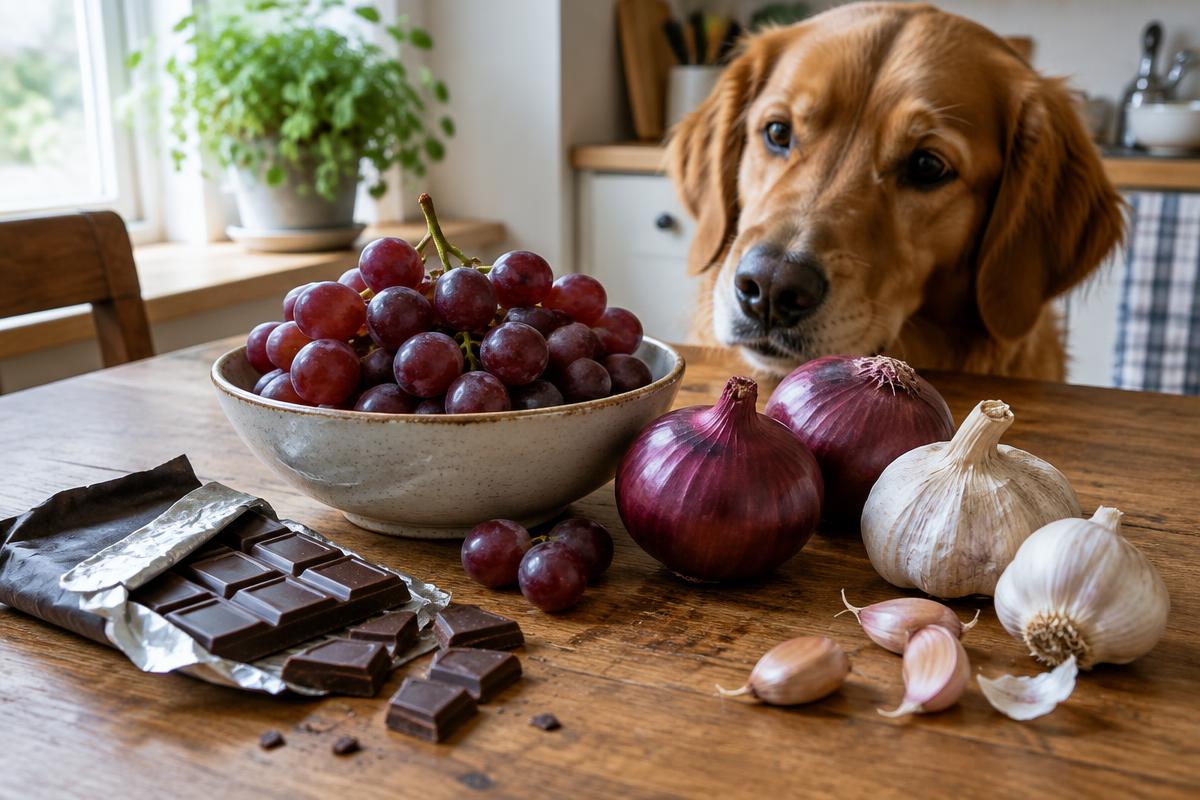
- Known ingestion of a toxin such as chocolate, xylitol or medication
How to check your dog at home
Learn your dog's normal: gum color (usually pink), energy, appetite and bathroom habits. Gently press a gum with your finger — the color should return within about two seconds. Noticing changes against a known baseline is the most useful thing an owner can do.
Changes in eating and drinking
Appetite is one of the most useful early indicators of illness. A dog that skips a single meal but otherwise seems well may simply not be hungry. Refusing food for more than a day, or a puppy missing several meals, warrants a call to the vet.
Increased thirst is easily overlooked but important. Drinking noticeably more than usual can be associated with kidney disease, diabetes, hormonal disorders or infection.
Changes in toilet habits
Notice how often and how much your dog goes. Signs to discuss with your vet include:
- Straining to urinate or passing only small amounts
- Blood in urine or stool
- Diarrhoea lasting more than a day
- Very dark, tarry stools
- Accidents in a house-trained dog
- Constipation for more than two days
Behaviour and energy
Dogs often express pain or illness through behaviour rather than vocalising. Hiding, restlessness, reluctance to be touched, sleeping more than usual or sudden irritability can all signal that something is wrong.
Changes in posture, such as a hunched back, standing with the front end lowered (the 'prayer position'), or reluctance to lie down, can indicate abdominal pain.
Skin, coat, eyes and ears
Check your dog regularly during grooming. Look for lumps, sores, hair loss, redness or excessive scratching. A dull coat may reflect poor nutrition or underlying disease.
Red or cloudy eyes, squinting, discharge, head shaking and smelly ears are common signs of infection or irritation that should be treated promptly.
Keeping a health log
When something seems off, write down what you see and when: appetite, water intake, vomiting, stool appearance, energy and any medications. Photos or short videos of unusual behaviour, such as coughing or limping, are extremely helpful to your vet.
Knowing your dog's normal resting breathing rate is also useful. Count breaths while your dog sleeps; for most dogs, fewer than about 30 breaths per minute at rest is considered normal.
Breeds and life stages at higher risk
Puppies, seniors and dogs with existing conditions can deteriorate faster, so seek advice sooner. Flat-faced breeds such as bulldogs and pugs are more vulnerable to heat and breathing problems. Large, deep-chested breeds are at higher risk of bloat (GDV), a life-threatening emergency signalled by a swollen belly and unproductive retching.
Breathing and coughing
Occasional coughing can be harmless, but a persistent or worsening cough deserves attention. It can signal kennel cough, heart disease, airway problems or something stuck in the throat. Fast breathing at rest, noisy breathing, or using the belly heavily to breathe are concerning signs.
Blue, grey or very pale gums together with breathing difficulty are an emergency.
Checking gums and hydration
Healthy gums in most dogs are pink and moist. Press a finger gently on the gum; the colour should return within about two seconds. Pale, white, bright red, yellow or blue gums, or a slow return of colour, can indicate shock, anaemia, jaundice or poor circulation.
To check hydration, gently lift the skin over the shoulders. It should spring back quickly. Skin that stays tented, dry sticky gums or sunken eyes suggest dehydration.
Limping and mobility
Limping can come from a cut pad, a torn nail, a sprain, or joint disease. If your dog won't put weight on a leg, the leg is swollen, or the limp lasts more than a day or two, see a vet. Sudden weakness in the back legs, wobbling or dragging paws can indicate spinal or neurological problems and needs urgent attention.
Vomiting: when to worry
Dogs sometimes vomit once after eating grass or too quickly, then return to normal. Call a vet if vomiting happens repeatedly, contains blood, comes with diarrhoea or lethargy, or if your dog can't keep water down.
Repeated unproductive retching with a swollen belly, especially in large breeds, may be bloat (GDV) and needs emergency care immediately.
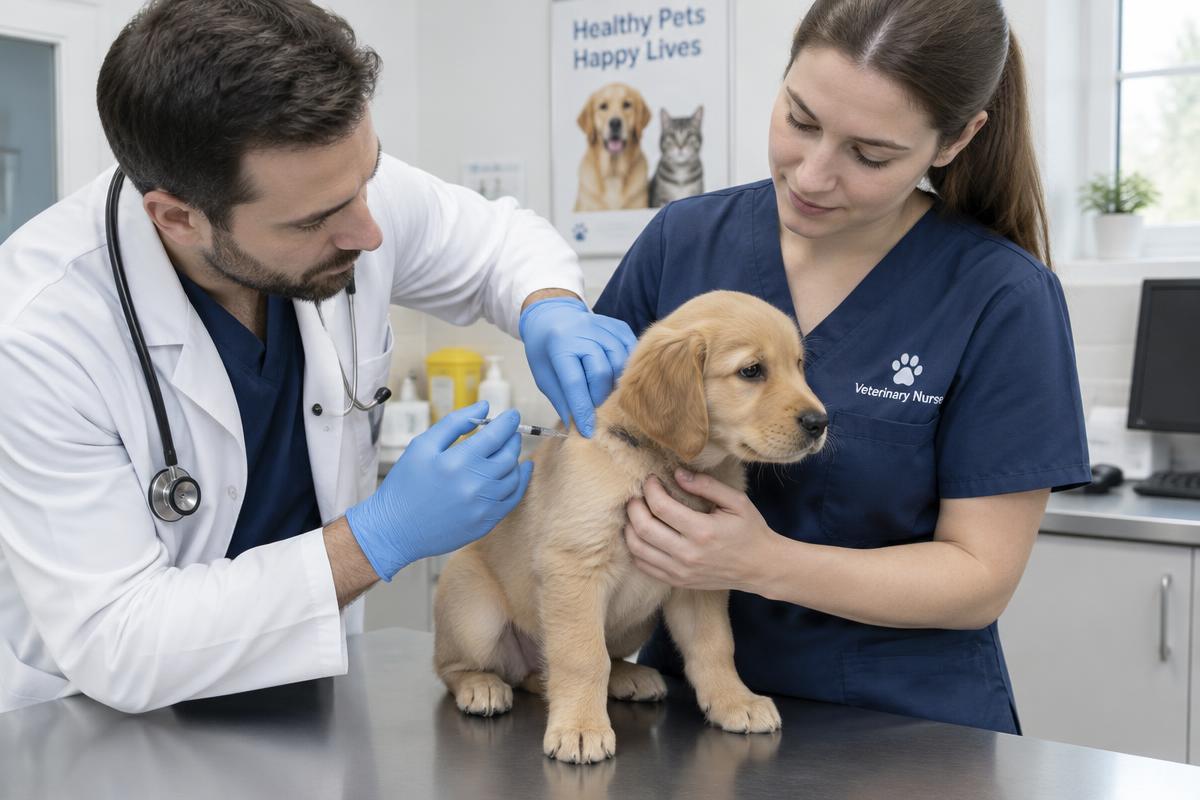
Preparing for a vet visit
Bring the following to help your vet:
- Your notes on symptoms and timing
- Photos or videos of the problem
- Details of food, treats and recent diet changes
- A list of medications and supplements
- A fresh stool sample if there are digestive signs
Frequently asked questions
Should I wait to see if my dog gets better?
For a single mild episode in an otherwise bright dog, monitoring for a day can be reasonable. Puppies, seniors and dogs with existing conditions should be seen sooner.
Can I give my dog human pain medication?
No. Common human pain relievers such as ibuprofen and naproxen can be dangerous to dogs. Only give medication your vet prescribes.
What is a normal temperature for a dog?
Generally around 38.0–39.2°C (100.5–102.5°F). Higher or lower readings should be discussed with your vet.
How can I tell if my dog is in pain?
Look for limping, panting at rest, reluctance to move, hiding, guarding a body part, or changes in appetite and mood.
Can dogs hide illness?
Yes. Dogs often hide pain and discomfort, so small changes in behaviour or routine are important clues.
Should I wait to see if my dog gets better?
For mild, single symptoms in an otherwise bright dog, monitoring for a day can be reasonable. Puppies, seniors and dogs with emergency signs should be seen promptly.
Key takeaways
- Small changes in appetite, thirst or energy are often the first signs.
- Breathing trouble, bloat signs, collapse and toxin ingestion are emergencies.
- Knowing your dog's normal makes problems easier to spot.
- Appetite, thirst and toilet habits are key early warning signs.
- Behaviour changes often signal pain.
- Keep notes and videos to help your vet.
- Check gum colour and hydration at home.
- Repeated vomiting or unproductive retching needs prompt care.
- Bring notes, videos and samples to vet appointments.
This guide is for general information and doesn't replace advice from your veterinarian. If your dog seems unwell, contact your vet. Read our disclaimer.
Sources
Pawly Editorial Team
Pet care writers & editors
Pawly's articles are written and edited by our editorial team of experienced dog owners and pet-care writers. Every guide is built from published veterinary guidance — from organizations such as the AVMA, AAHA, WSAVA and the ASPCA — and is reviewed for accuracy before publishing and regularly after.
More from our writers →