Many foods that are perfectly safe for people can make dogs seriously ill. Some cause stomach upset; others damage the kidneys, liver or red blood cells. Here are the most important ones to keep out of reach.
The most dangerous foods
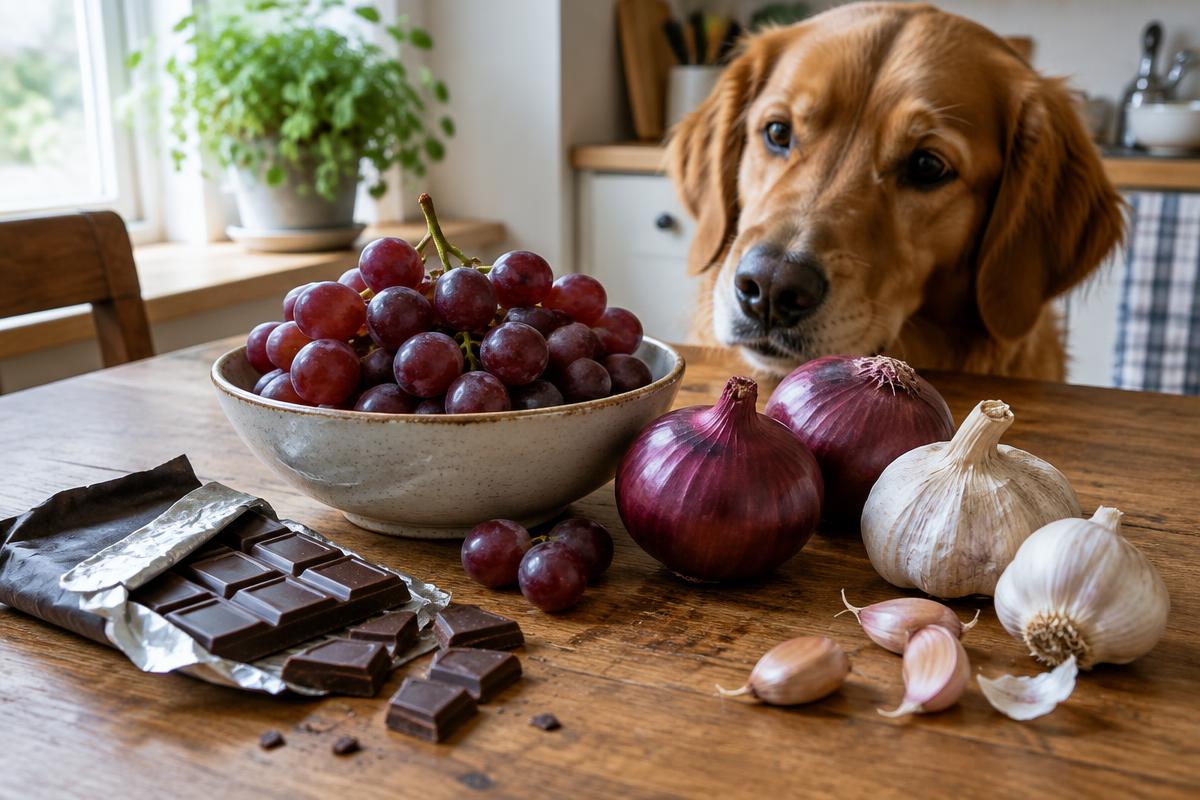
- Chocolate and cocoa — contain theobromine and caffeine. Dark and baking chocolate are the most dangerous.
- Xylitol — a sweetener found in some sugar-free gum, candy, peanut butters and baked goods. It can cause a rapid drop in blood sugar and liver failure.
- Grapes, raisins and currants — can cause sudden kidney injury, even in small amounts.
- Onions, garlic, leeks and chives — damage red blood cells, in raw, cooked or powdered form.
- Macadamia nuts — cause weakness, tremors and fever.
- Alcohol and raw yeast dough — affect the nervous system; dough can also expand in the stomach.
Foods that are risky but less toxic
Fatty scraps can trigger pancreatitis. Cooked bones can splinter. Avocado pits and corn cobs are common causes of intestinal blockages.
What to do if your dog eats something toxic
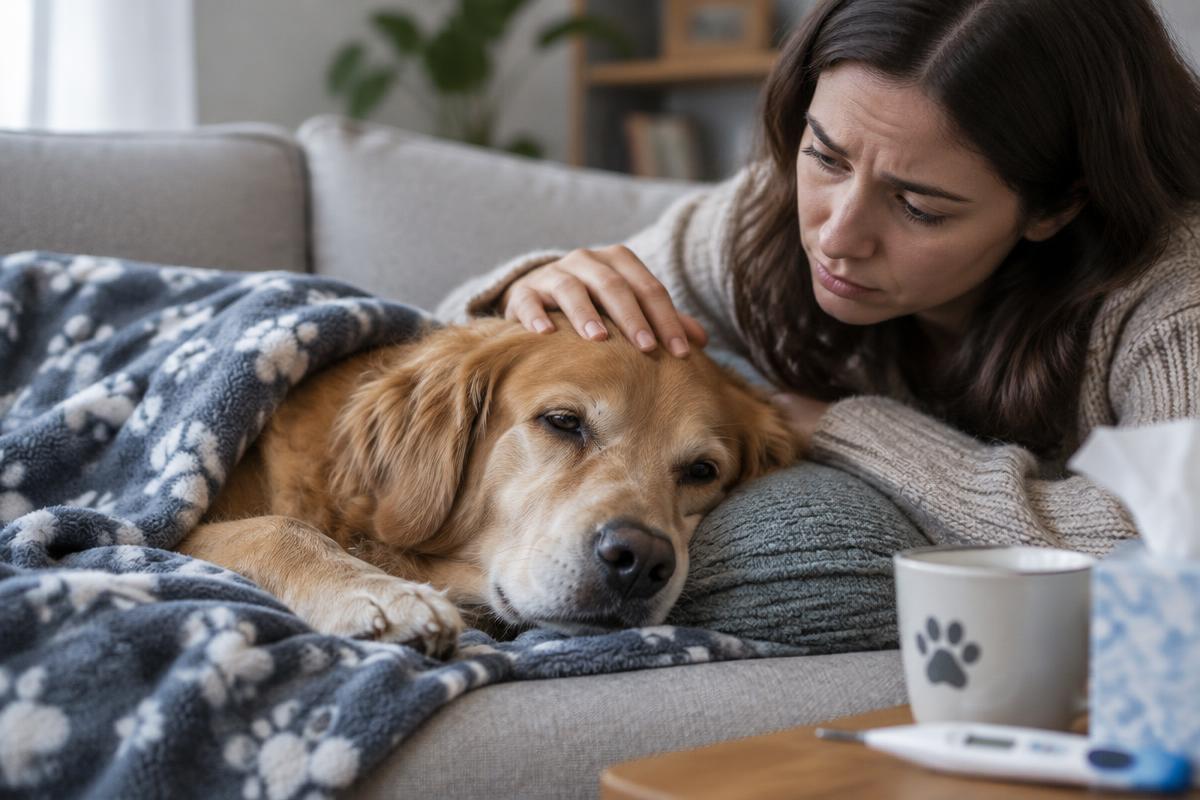
Act quickly. Note what was eaten, how much and when, then call your vet, an emergency clinic, or the ASPCA Animal Poison Control Center. Don't try to make your dog vomit unless a professional tells you to — it isn't safe for every substance.
Why some human foods are dangerous
Dogs process some compounds very differently from people. Theobromine in chocolate, xylitol in sugar-free products and compounds in grapes and onions can cause serious illness even in small amounts. Toxicity often depends on the dog's size and the amount eaten, but some foods are dangerous in tiny quantities.
A closer look at the worst offenders
Xylitol is a sweetener found in sugar-free gum, some peanut butters, sweets and baked goods. In dogs it can trigger a rapid drop in blood sugar and, at higher doses, liver failure. Always check peanut butter labels before sharing.
Grapes, raisins, sultanas and currants can cause sudden kidney failure in some dogs. The toxic dose is unpredictable, so no amount is considered safe.
Chocolate contains theobromine and caffeine. Dark chocolate and baking cocoa are the most dangerous. Signs include vomiting, restlessness, rapid heart rate and seizures.
Onions, garlic, leeks and chives — raw, cooked or powdered — damage red blood cells. Signs may appear days after eating.
Hidden sources around the home
Toxic foods often reach dogs in unexpected ways:
- Handbags containing sugar-free gum or mints
- Christmas cakes, mince pies and hot cross buns with raisins
- Gravy, stock cubes and baby food containing onion or garlic powder
- Coffee grounds and tea bags in the bin
- Bread dough rising on the counter
- Leftover cooked bones, which can splinter
Prevention tips
Store food in closed cupboards, use a dog-proof bin, and keep bags and coats off the floor. Teach a solid 'leave it' cue and make sure guests and children know not to feed the dog.
Keep the number of your vet, the nearest emergency clinic and an animal poison helpline saved in your phone. Fast action greatly improves outcomes.
Information to give the vet
If your dog eats something toxic, the vet will want to know:
- What was eaten — bring the packaging if possible
- How much, and when
- Your dog's weight
- Any symptoms so far
Other risky foods to know
Macadamia nuts can cause weakness, trembling, vomiting and high temperature in dogs, often within twelve hours. Signs usually resolve within a few days, but a vet should still be contacted.
Alcohol affects dogs much faster than people. Even small amounts in drinks, desserts or rising bread dough can cause vomiting, disorientation, low blood sugar and breathing problems. Raw yeast dough also expands in the stomach, causing painful bloating.
Caffeine in coffee, tea, energy drinks and some medicines causes restlessness, rapid heart rate and tremors. Avocado contains persin, which is mainly a concern for other animals, but the large stone poses a choking and blockage risk to dogs.
Fatty foods and pancreatitis
Not every dangerous food is a classic toxin. Rich, fatty meals — bacon, sausages, turkey skin, gravy and fried leftovers — can trigger pancreatitis, an inflammation of the pancreas that causes vomiting, abdominal pain and lethargy. It can be severe and sometimes needs hospital treatment.
Holidays and barbecues are peak times for pancreatitis cases. Ask guests not to share scraps and keep bins secured.
Bones, cobs and choking hazards
Cooked bones become brittle and can splinter, causing mouth injuries, choking or damage to the gut. Corn cobs are a common cause of intestinal blockage because dogs swallow them in large pieces. Fruit stones, such as peaches and plums, are also blockage risks.
Signs of a blockage include repeated vomiting, inability to keep water down, a painful belly and lack of stool. This is an emergency.
Toxicity by dog size
Size makes a big difference. A small amount of dark chocolate that might only upset a large Labrador could be life-threatening to a Chihuahua. That is why vets always ask for your dog's weight and the exact product eaten. Online chocolate calculators can give a rough idea, but they are no substitute for calling a vet.
Safe alternatives to share
If you enjoy sharing food with your dog, these are generally safe in small amounts when plain:
- Carrot sticks and green beans
- Apple slices without seeds or core
- Plain cooked chicken or turkey without skin or bones
- Plain cooked rice or pumpkin
- Blueberries and seedless watermelon
- Xylitol-free peanut butter
Holiday and party safety
Celebrations bring a mix of chocolate, raisin cakes, fatty roasts, alcohol and distracted hosts. Keep your dog in a quiet room during busy parties, put food out of reach and remind visitors not to feed the dog. Check bags and coats for gum, mints and medicines.
Frequently asked questions
My dog ate one grape. Is that okay?
There is no known safe amount, and sensitivity varies between dogs. Contact your vet or poison control promptly.
Which human foods are safe as treats?
Plain cooked chicken, carrots, green beans, plain pumpkin and apple slices without seeds are generally safe in small amounts.
Should I make my dog vomit?
Don't induce vomiting unless a vet tells you to. Some substances cause more harm coming back up, and home methods can be dangerous.
Is a small amount of milk chocolate okay?
Even small amounts can upset the stomach, and the risk depends on your dog's size. Call your vet with the amount and type eaten.
Can dogs eat cheese?
Small amounts are fine for most dogs, but cheese is fatty and some dogs are lactose intolerant. Avoid cheeses containing garlic or onion.
Are nuts safe for dogs?
Macadamias are toxic, and many nuts are fatty or salted. It's best to avoid nuts as treats.
Key takeaways
- Chocolate, xylitol, grapes and onions are among the most dangerous foods.
- Small quantities can still be harmful.
- Call a vet or poison control right away — don't wait for symptoms.
- Xylitol, grapes, chocolate and onions are among the most dangerous foods.
- Watch for hidden sources like gum in bags and onion in gravy.
- Call a vet immediately — don't wait for symptoms.
- Fatty leftovers can cause pancreatitis.
- Cooked bones and corn cobs can cause blockages.
- Small dogs are at greater risk from the same amount of food.
This guide is for general information and doesn't replace advice from your veterinarian. If your dog seems unwell, contact your vet. Read our disclaimer.
Sources
Pawly Editorial Team
Pet care writers & editors
Pawly's articles are written and edited by our editorial team of experienced dog owners and pet-care writers. Every guide is built from published veterinary guidance — from organizations such as the AVMA, AAHA, WSAVA and the ASPCA — and is reviewed for accuracy before publishing and regularly after.
More from our writers →