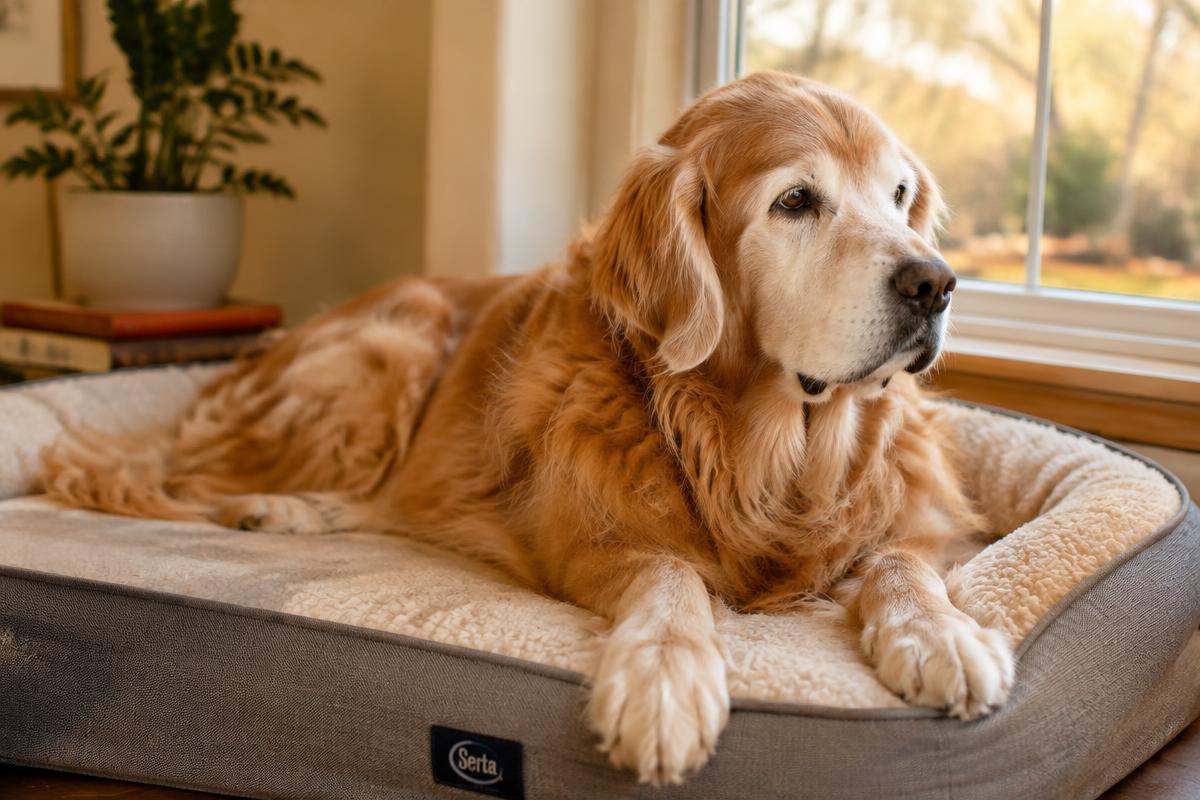
Dogs are often considered senior in the last quarter of their expected lifespan — as early as 6–7 for giant breeds and later for small breeds. Thoughtful care keeps the golden years good ones.
More frequent check-ups
Many vets recommend exams every six months for senior dogs, often with bloodwork. Early detection of kidney disease, dental disease and arthritis makes a real difference.
Joint comfort
Signs of arthritis include stiffness after rest, reluctance to jump or climb stairs, and slowing on walks. Keep your dog lean, use rugs on slippery floors, and ask your vet about pain relief options.
Mind and mood
Canine cognitive dysfunction can cause night waking, confusion and changes in social behavior. Gentle training games, sniff walks and puzzle feeders help keep minds active.
When is a dog considered senior?
There is no single age. Size matters: giant breeds may be considered senior from around six years, while many small dogs are not considered senior until nine or ten. Veterinary groups such as AAHA describe the senior stage roughly as the last quarter of a dog's expected lifespan.
Rather than focusing on a birthday, watch for gradual changes: a little more sleep, a greying muzzle, slower starts after rest, or less interest in long walks. These are normal but they are also the moment to adjust care and talk with your vet about senior screening.
What a senior check-up may include
Many vets recommend examinations every six months for older dogs, because problems can develop quickly and dogs are good at hiding discomfort. Depending on your dog, a senior visit may include:
- A full physical exam including weight, body condition, heart, lungs and joints
- Blood tests to check kidney and liver function, blood cells and thyroid
- A urine test to screen for kidney disease, diabetes or infection
- Blood pressure measurement
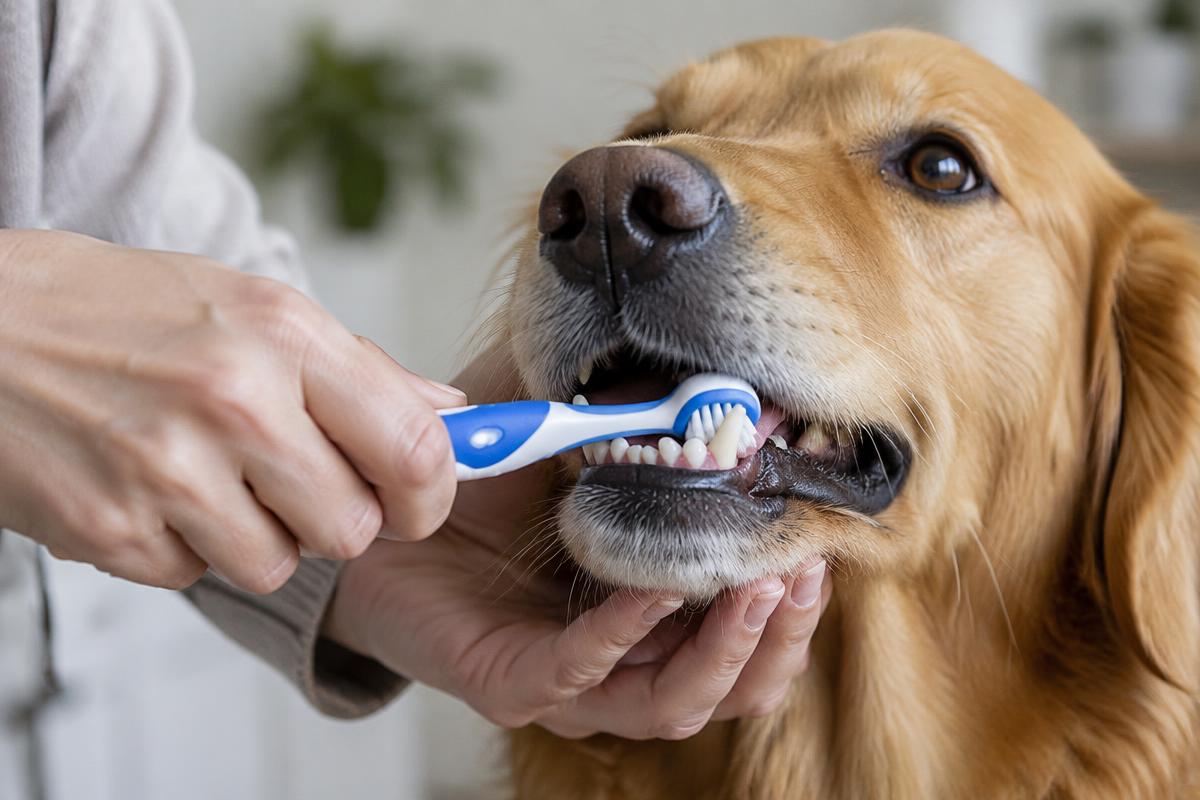
- A dental assessment
- Discussion of behaviour, sleep, appetite and mobility changes you've noticed at home
Nutrition and weight for older dogs
Older dogs often need fewer calories as their activity level drops, and extra weight puts strain on ageing joints and organs. Keep a close eye on body condition: you should be able to feel the ribs easily under a thin layer of fat.
Some senior dogs do the opposite and lose weight or muscle. Unexplained weight loss is always worth a vet visit because it can signal dental pain, kidney disease, diabetes or other conditions.
There's no universal 'best' senior food. Dogs with kidney, liver or heart disease may need specific therapeutic diets, while healthy seniors may do well on their current food with adjusted portions. Make any diet change gradually over about a week and discuss supplements, such as omega-3 fatty acids for joints, with your vet before starting them.
Making your home senior-friendly
Small changes around the house can make a big difference to comfort and safety:
- Add rugs or non-slip mats on smooth floors to prevent slipping
- Use ramps or steps for sofas, beds and cars
- Provide a thick, supportive orthopaedic bed in a warm, draught-free spot
- Raise food and water bowls slightly for dogs with neck or back stiffness
- Use baby gates to block stairs if your dog is unsteady
- Keep furniture in the same place for dogs with failing eyesight
- Leave a night light on for dogs that seem confused in the dark
Exercise that suits an older body
Senior dogs still need daily movement to maintain muscle, joint mobility and a healthy weight. The difference is in the type and length of activity. Several shorter walks usually work better than one long outing, and soft surfaces such as grass are kinder to joints than pavement.
Swimming or hydrotherapy can be excellent low-impact options for dogs with arthritis, when supervised. Avoid sudden bursts like chasing balls repeatedly, which can strain stiff joints. If your dog is sore the day after an activity, it was probably too much.
Recognising pain in older dogs
Dogs rarely cry out with chronic pain. Instead, the signs are subtle and easy to mistake for 'just getting old'. Watch for reluctance to jump or climb stairs, stiffness after rest, licking a particular joint, restlessness at night, irritability when touched, or a change in posture.
Arthritis is very common in older dogs and can be managed effectively with a combination of weight control, appropriate exercise, veterinary pain medication and sometimes physiotherapy. Never give human pain relievers: medicines such as ibuprofen and paracetamol (acetaminophen) can be toxic to dogs.
Cognitive changes
Some older dogs develop canine cognitive dysfunction, which is similar in some ways to dementia in people. Signs can include getting lost in familiar places, staring at walls, changes in the sleep-wake cycle, forgetting house training and reduced interest in family members.
Your vet can rule out other causes and discuss options, which may include diet, medication and environmental enrichment. Gentle mental exercise — sniffing walks, food puzzles and short training sessions — helps keep the mind active at any age.
Signs that need prompt veterinary attention
Contact your vet soon if your senior dog shows any of the following:
- Drinking or urinating much more than usual
- Sudden weight loss or loss of appetite
- New lumps, or lumps that change size or shape
- Coughing, breathing difficulty or fainting
- Persistent vomiting or diarrhoea
- Sudden blindness, head tilt or loss of balance
- Bad breath with drooling or difficulty eating
Frequently asked questions
Should I switch to a senior food?
Not automatically. Ask your vet — the right diet depends on your dog's weight, health and bloodwork.
How often should a senior dog see the vet?
Many vets recommend every six months for healthy seniors, and more often for dogs with ongoing conditions.
Is it normal for old dogs to sleep a lot?
Yes, older dogs sleep more. But sudden changes in sleep, night-time restlessness or confusion should be discussed with your vet.
Can senior dogs still learn new things?
Absolutely. Short, positive training sessions are a great form of mental exercise for older dogs.
Key takeaways
- Seniors benefit from twice-yearly vet visits.
- Weight control and traction help joints.
- Mental enrichment matters at every age.
- Senior age depends on size — large breeds age earlier.
- Twice-yearly check-ups help catch problems early.
- Adapt your home with non-slip floors, ramps and a supportive bed.
- Subtle behaviour changes are often signs of pain, not just age.
This guide is for general information and doesn't replace advice from your veterinarian. If your dog seems unwell, contact your vet. Read our disclaimer.
Sources
Pawly Editorial Team
Pet care writers & editors
Pawly's articles are written and edited by our editorial team of experienced dog owners and pet-care writers. Every guide is built from published veterinary guidance — from organizations such as the AVMA, AAHA, WSAVA and the ASPCA — and is reviewed for accuracy before publishing and regularly after.
More from our writers →