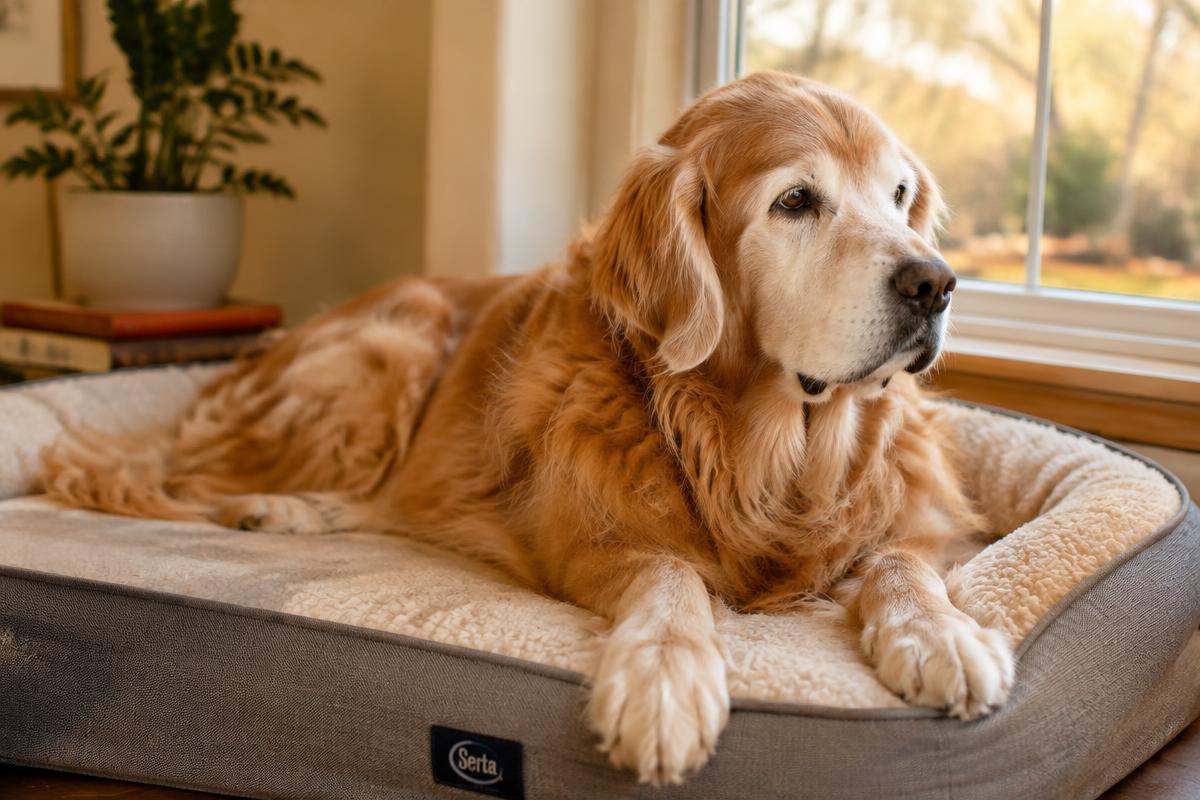
Surveys by veterinary organizations suggest that over half of pet dogs in many countries are overweight. Extra weight is linked to joint disease, diabetes and a shorter life — but it's very fixable.
Three quick checks
- Ribs: you should feel them easily with light pressure, like the back of your hand.
- Waist: looking down from above, there should be a visible narrowing behind the ribs.
- Tuck: from the side, the belly should rise up toward the hind legs.
A safe weight-loss plan
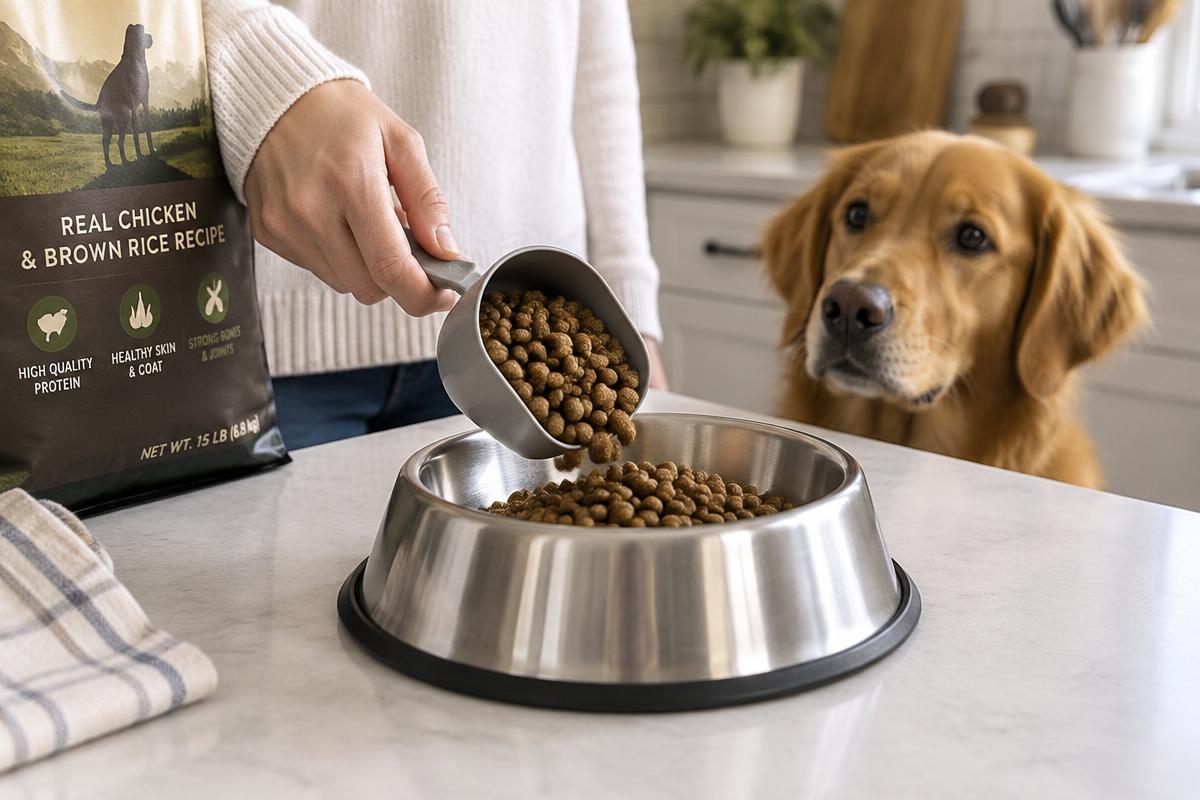
Ask your vet to set a target weight and rule out medical causes like hypothyroidism. Most dogs should lose around 1–2% of body weight per week. Measure every meal, swap some treats for vegetables like green beans, and add gentle daily activity.
Frequently asked questions
Are 'light' foods enough?
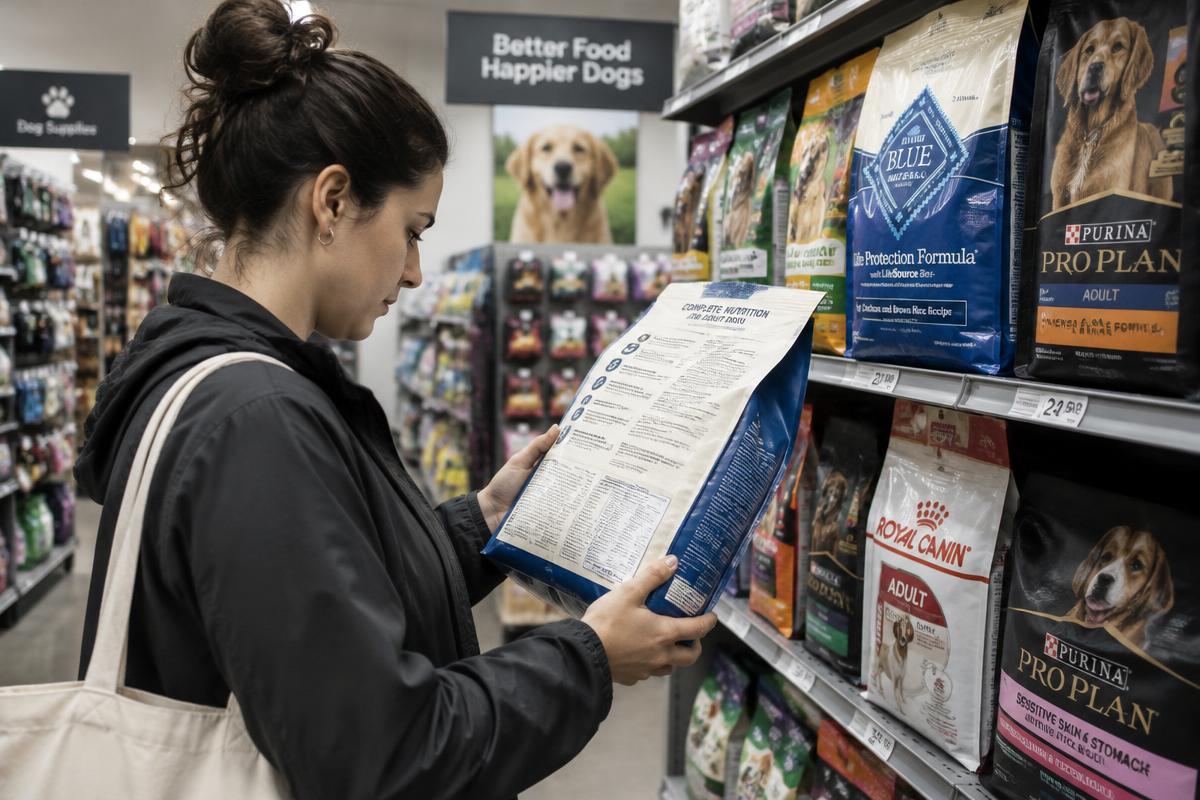
They can help, but feeding a larger portion of a light food can still mean too many calories. Measure carefully.
Key takeaways
- You should be able to feel your dog's ribs easily.
- Aim for slow, steady loss with vet guidance.
- Measured meals matter more than exercise alone.
This guide is for general information and doesn't replace advice from your veterinarian. If your dog seems unwell, contact your vet. Read our disclaimer.
Sources
Pawly Editorial Team
Pet care writers & editors
Pawly's articles are written and edited by our editorial team of experienced dog owners and pet-care writers. Every guide is built from published veterinary guidance — from organizations such as the AVMA, AAHA, WSAVA and the ASPCA — and is reviewed for accuracy before publishing and regularly after.
More from our writers →