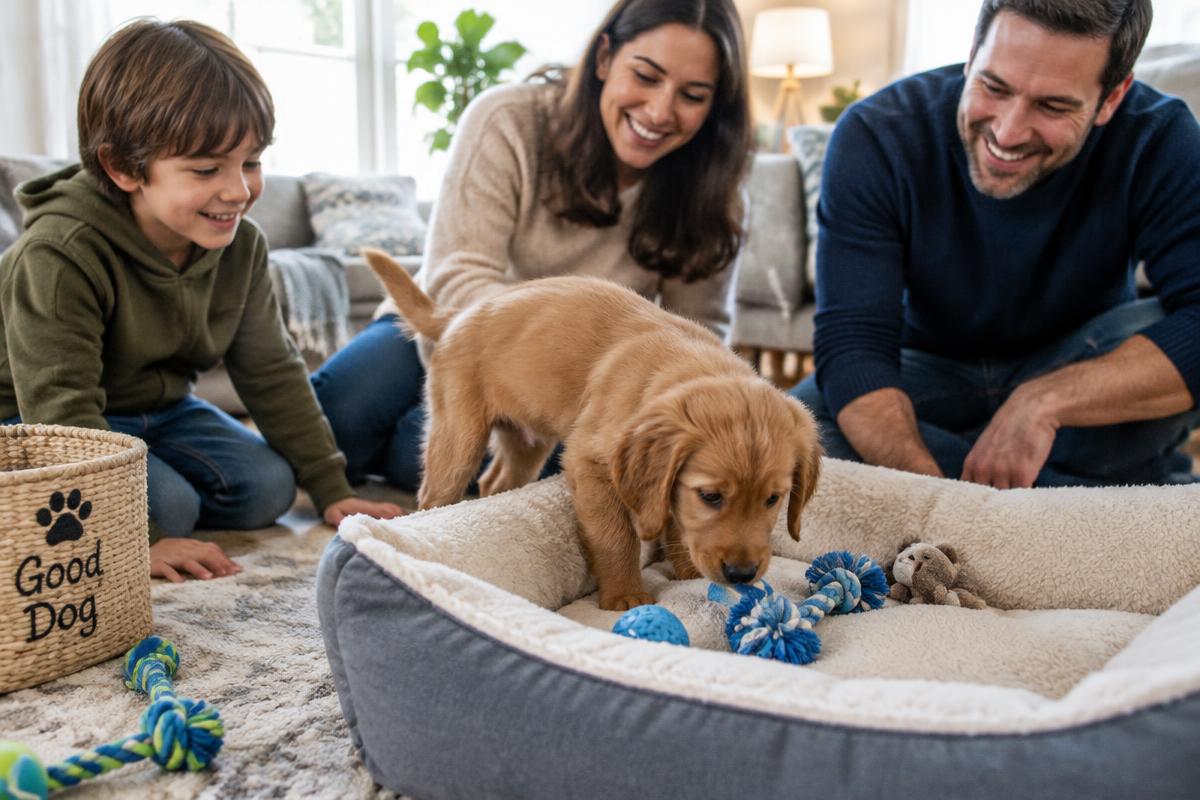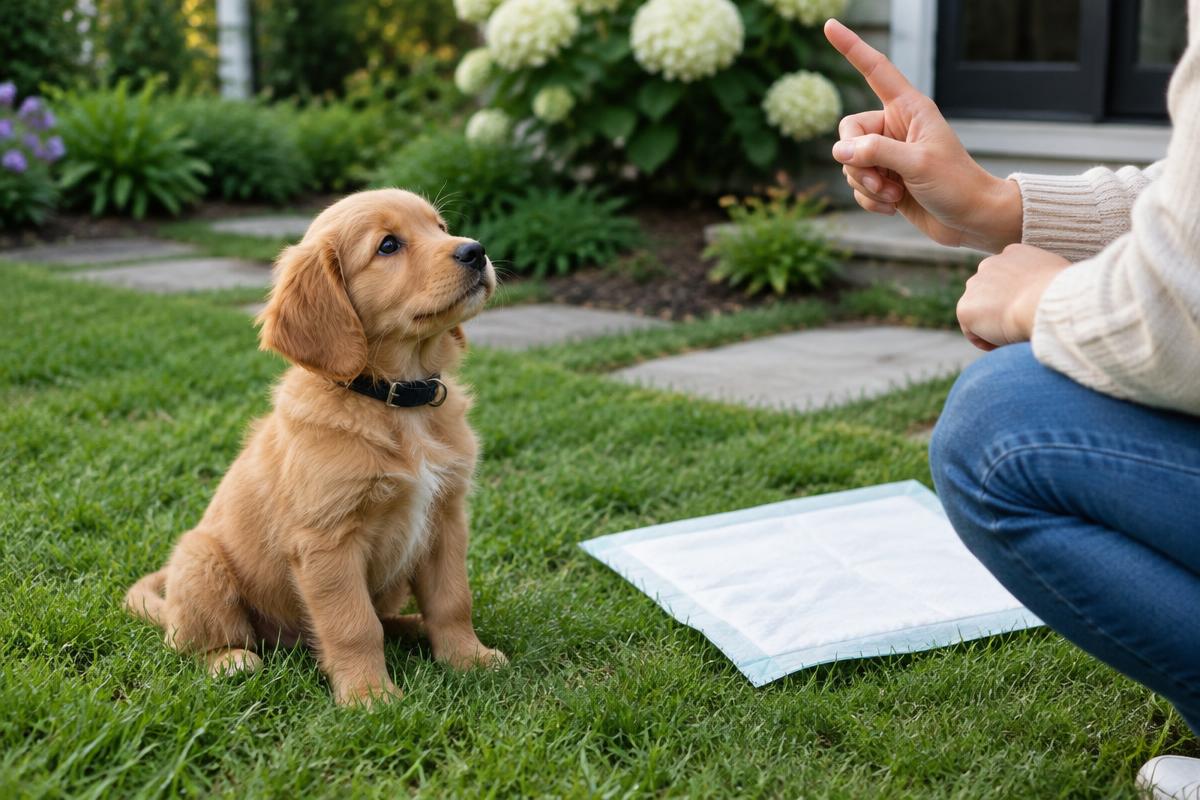
Between roughly 3 and 14–16 weeks of age, puppies are especially open to new experiences. Positive exposure in this window shapes a confident adult dog.
What socialization means
It's not about meeting as many dogs as possible. It's about calm, positive experiences with people, sounds, surfaces, handling and places — at a pace your puppy enjoys.
Safe ideas before vaccines are complete
- Carry your puppy to watch traffic and people
- Invite vaccinated, gentle adult dogs over
- Play recordings of thunder, vacuums and doorbells at low volume
- Practice gentle handling of paws, ears and mouth
- Join a puppy class that requires first vaccinations
Weighing the risks
The American Veterinary Society of Animal Behavior notes that behavior problems are a leading cause of dogs being relinquished, and recommends puppies begin socialization classes before the vaccine series is complete, in clean, controlled settings.
The sensitive period explained
Puppies have a sensitive period for socialisation that runs roughly from three to fourteen weeks of age. During this window they accept new experiences more easily, and what they learn shapes how they react to the world as adults. After it closes, new things are more likely to trigger caution or fear.
The American Veterinary Society of Animal Behavior advises that puppies can begin socialisation classes as early as seven to eight weeks, once they have had at least one round of vaccines and deworming, because behaviour problems are a leading cause of dogs being surrendered to shelters.
A socialization checklist
Aim for a wide variety of short, positive experiences. Some ideas:
- People: men, women, children, people with hats, beards, glasses, uniforms and umbrellas
- Handling: touching paws, ears, mouth and tail; gentle brushing
- Sounds: traffic, doorbells, vacuum cleaners, thunderstorms at low volume
- Surfaces: grass, gravel, tiles, metal grates, wobbly cushions
- Places: car rides, a friend's house, outside a café, the vet clinic for a 'happy visit'
- Animals: calm, vaccinated adult dogs; cats at a safe distance
- Objects: bicycles, prams, wheelchairs, skateboards
How to keep experiences positive
Socialisation is not about exposure alone; it's about the puppy feeling safe. Let your puppy observe from a distance and approach at its own pace. Pair each new thing with treats or play, and keep sessions short — a few minutes is plenty.
Watch body language. A relaxed puppy has a loose body, soft eyes and is curious. Signs of stress include tucking the tail, freezing, lip-licking, yawning, and trying to hide. If you see these, increase the distance and try again another day at an easier level.
Choosing a good puppy class
A good puppy class is one of the best ways to socialise safely. Look for small groups, a requirement for up-to-date vaccinations, clean facilities, and trainers who use reward-based methods.
Avoid classes that allow free-for-all play between puppies of very different sizes or that use leash jerks, shouting or other punishment. Puppies should leave each session tired and happy, not frightened.
Common socialization mistakes
A few well-intended habits can backfire:
- Flooding — overwhelming a puppy with crowds or noise in the hope it will 'get used to it'
- Letting every stranger pick the puppy up
- Forcing interactions with dogs that are rough or unknown
- Stopping socialisation after the puppy stage — adolescents need continued exposure
- Waiting until all vaccines are done and missing most of the sensitive period
Week-by-week guide
Breeders handle the first weeks: puppies three to seven weeks old should experience gentle handling, household sounds and different surfaces. When your puppy comes home, usually at eight weeks, the most important work begins.
Weeks 8–10: focus on the home and close environment. Introduce visitors, gentle handling, car rides and household noises. Weeks 10–12: start a puppy class, carry your puppy to new places, and meet calm, vaccinated dogs. Weeks 12–16: expand to busier settings at a comfortable distance — near schools, markets or train stations — and practise short separations.
A brief fear period often appears around eight to ten weeks, when puppies may react more strongly to frightening events. Keep experiences gentle during this time and avoid traumatic situations.
Handling and vet preparation
Teaching a puppy to accept handling makes grooming, nail trims and vet exams much easier for life. Several times a day, touch a paw, look in an ear or lift a lip, then give a treat. Keep each touch brief and build up gradually.
Visit your vet clinic just to say hello, get a treat from the staff and leave. These 'happy visits' help prevent fear of the clinic, which is one of the most common anxieties in adult dogs.
Teaching your puppy to be alone
Being comfortable alone is part of socialisation. Start with very short separations in the home — closing a door for a few seconds while your puppy chews a toy. Gradually lengthen the time. Coming and going calmly, without big greetings or goodbyes, teaches that departures are normal.
This is especially important for puppies raised in homes where someone is always present, as they can struggle later when routines change.
Socializing with children
Children and puppies can be great companions, but both need guidance. Teach children to sit on the floor and let the puppy approach, to stroke gently along the back rather than hugging, and to leave the puppy alone when it's eating or sleeping.
Always supervise interactions between young children and dogs. Give the puppy a safe space, like a crate or gated area, where children aren't allowed.
When to get professional help
Some puppies are naturally more cautious. If your puppy is persistently fearful, hides, growls or snaps when meeting people or dogs, or doesn't recover quickly from scares, seek help early. A veterinarian can check for medical causes, and a certified positive-reinforcement trainer or veterinary behaviourist can build a tailored plan. Early intervention is much more effective than waiting.
Frequently asked questions
Is it too late to socialize an older puppy?
No. Learning continues, it just takes more time and patience after the early window.
Is it too late to socialize an adult dog?
Adult dogs can still learn to be more comfortable, but progress is usually slower. A certified trainer or veterinary behaviourist can help.
How many new things should my puppy meet each day?
Quality matters more than numbers. A few calm, positive experiences each day is better than many stressful ones.
Should my puppy play with every dog it meets?
No. Choose calm, healthy, vaccinated dogs. A bad experience with a rough dog can create lasting fear.
Is dog daycare good socialization?
It can be for some puppies, but busy daycares may overwhelm others. Look for small groups and well-trained staff.
Key takeaways
- The window closes around 14–16 weeks.
- Quality of experiences matters more than quantity.
- Well-run puppy classes are safe and valuable.
- The key window is roughly 3–14 weeks of age.
- Experiences should be short, varied and positive.
- Choose reward-based puppy classes with vaccination rules.
- Plan socialisation by age, building from home outward.
- Practise handling and happy vet visits.
- Seek help early for fearful puppies.
This guide is for general information and doesn't replace advice from your veterinarian. If your dog seems unwell, contact your vet. Read our disclaimer.
Sources
Pawly Editorial Team
Pet care writers & editors
Pawly's articles are written and edited by our editorial team of experienced dog owners and pet-care writers. Every guide is built from published veterinary guidance — from organizations such as the AVMA, AAHA, WSAVA and the ASPCA — and is reviewed for accuracy before publishing and regularly after.
More from our writers →