Puppies sleep a lot — often 18 to 20 hours a day. That sleep is essential for brain development, growth and a healthy immune system.
A predictable routine helps your puppy rest well and makes house training much easier.
How much sleep by age
- 8–12 weeks: 18–20 hours a day
- 3–6 months: 15–18 hours a day
- 6–12 months: 14–16 hours a day
- Adult dogs: 12–14 hours a day
Sample daily schedule (10-week-old puppy)
- 7:00 – Toilet, breakfast, short play
- 8:00 – Nap (1.5–2 hours)
- 10:00 – Toilet, short training session
- 11:00 – Nap
- 13:00 – Toilet, lunch, gentle exploring
- 14:00 – Nap
- 17:00 – Toilet, dinner, play
- 18:30 – Nap
- 21:00 – Calm play, toilet
- 22:00 – Bedtime
Signs your puppy is over-tired
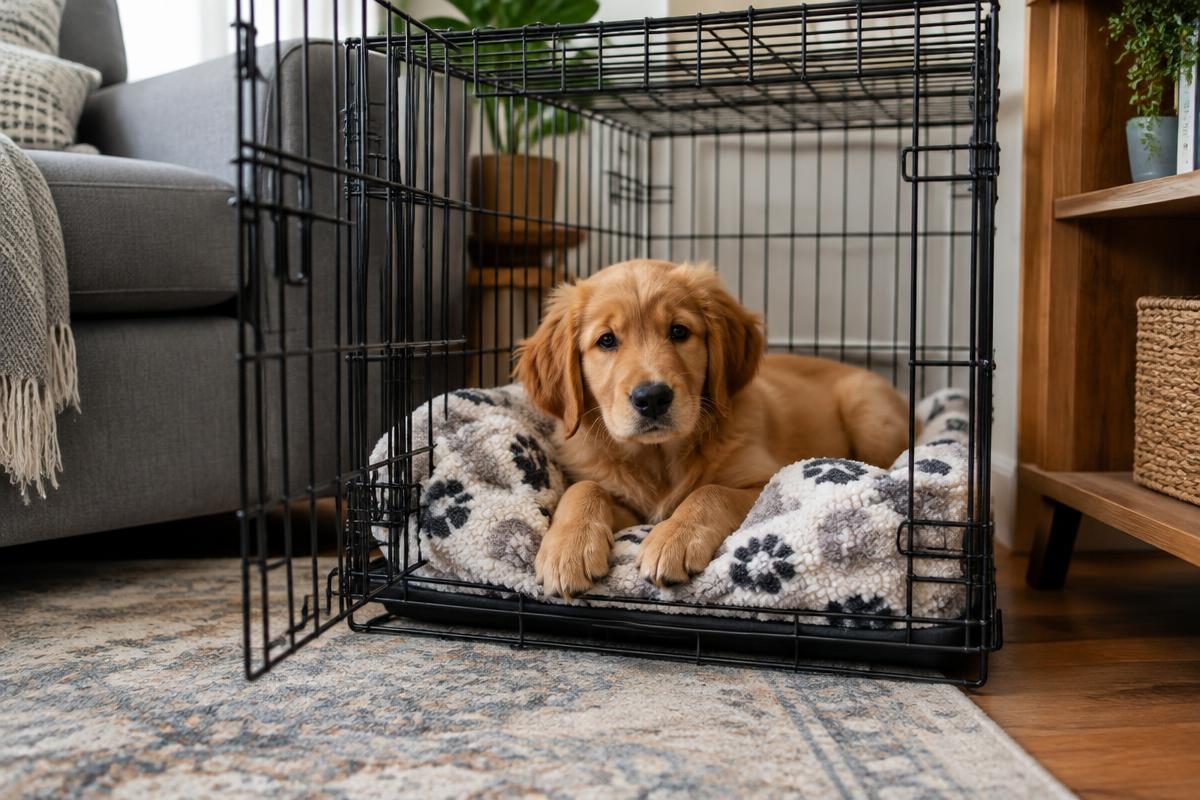
Over-tired puppies often become bitey, zoomy and frantic. If your puppy suddenly seems wild, it's usually time for a nap in their crate or pen.
Helping them sleep through the night
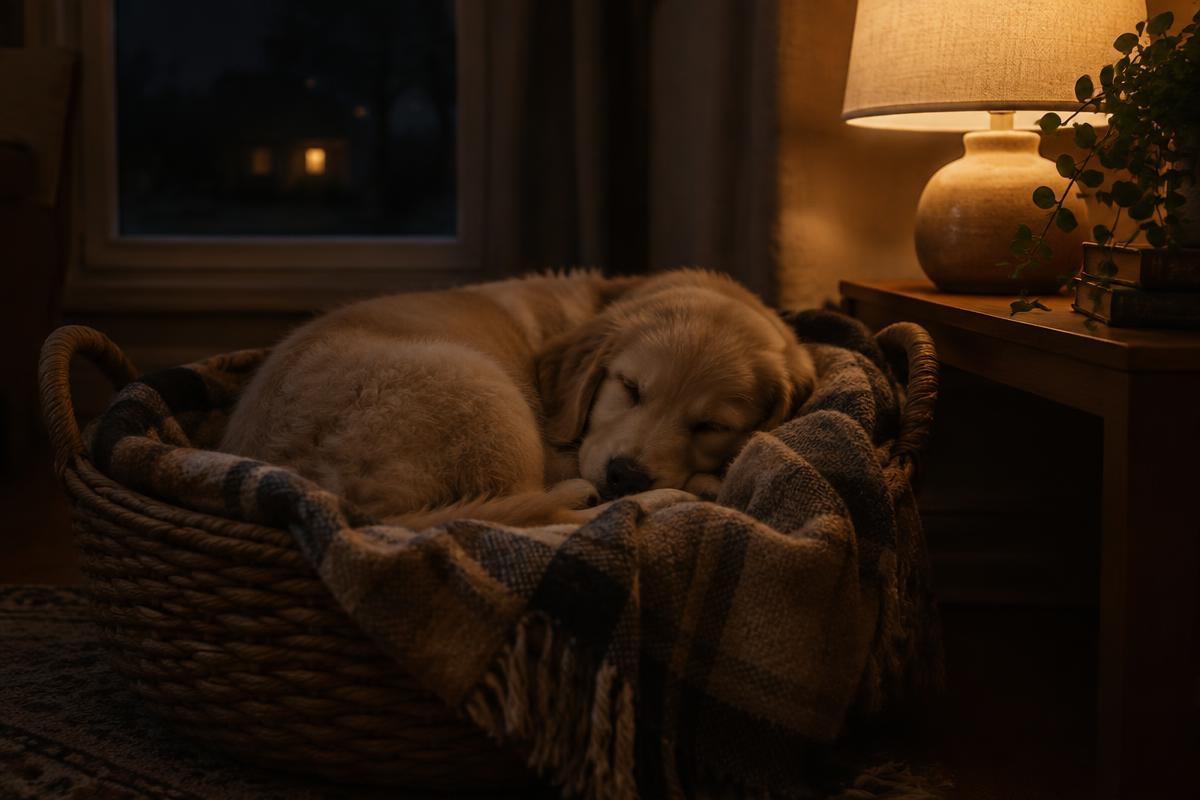
Keep the last hour calm, offer a final toilet trip, and keep night-time breaks short, quiet and dark. Most puppies can last 6–8 hours by around 4 months of age.
Frequently asked questions
Should I wake my puppy to pee at night?
In the first few weeks, a single planned toilet trip can prevent accidents. Phase it out as they grow.
Is it normal for my puppy to twitch in sleep?
Yes. Twitching and small noises during REM sleep are normal.
Key takeaways
- Young puppies need 18–20 hours of sleep.
- Follow a predictable routine.
- Over-tired puppies bite more.
- Keep night breaks boring.
This guide is for general information and doesn't replace advice from your veterinarian. If your dog seems unwell, contact your vet. Read our disclaimer.
Sources
Pawly Editorial Team
Pet care writers & editors
Pawly's articles are written and edited by our editorial team of experienced dog owners and pet-care writers. Every guide is built from published veterinary guidance — from organizations such as the AVMA, AAHA, WSAVA and the ASPCA — and is reviewed for accuracy before publishing and regularly after.
More from our writers →