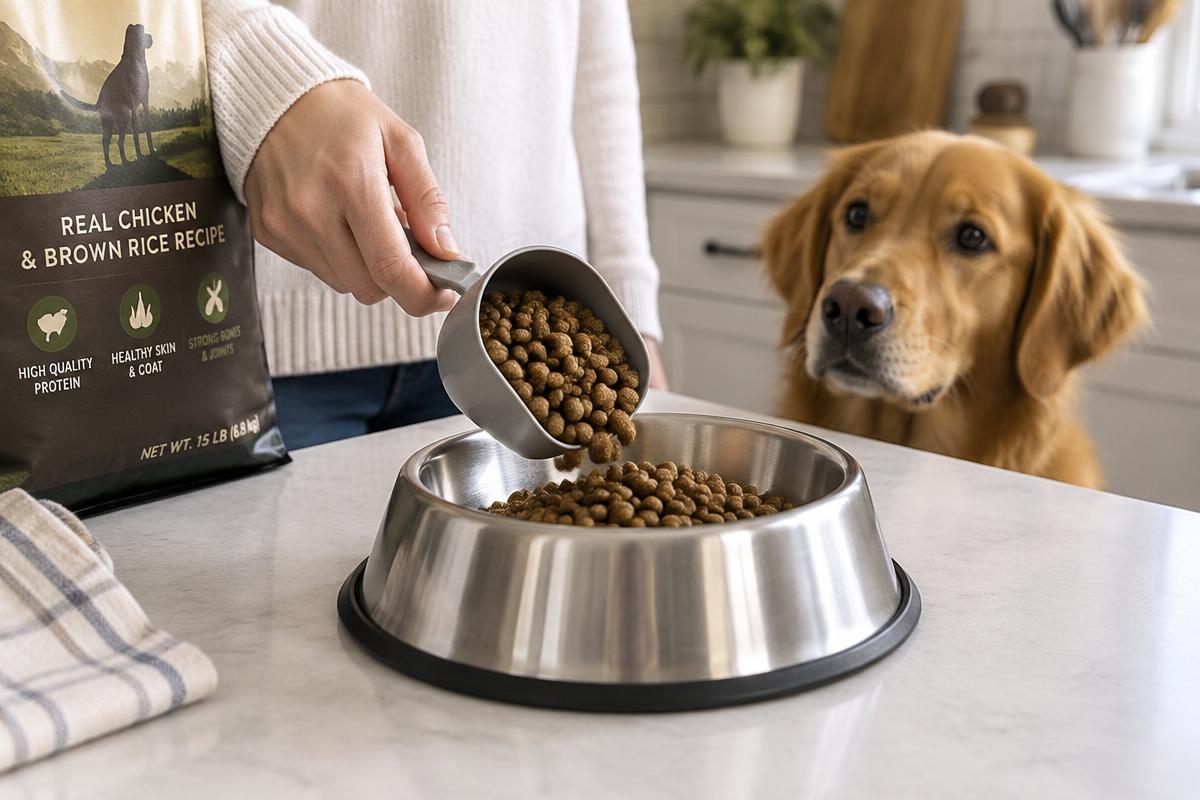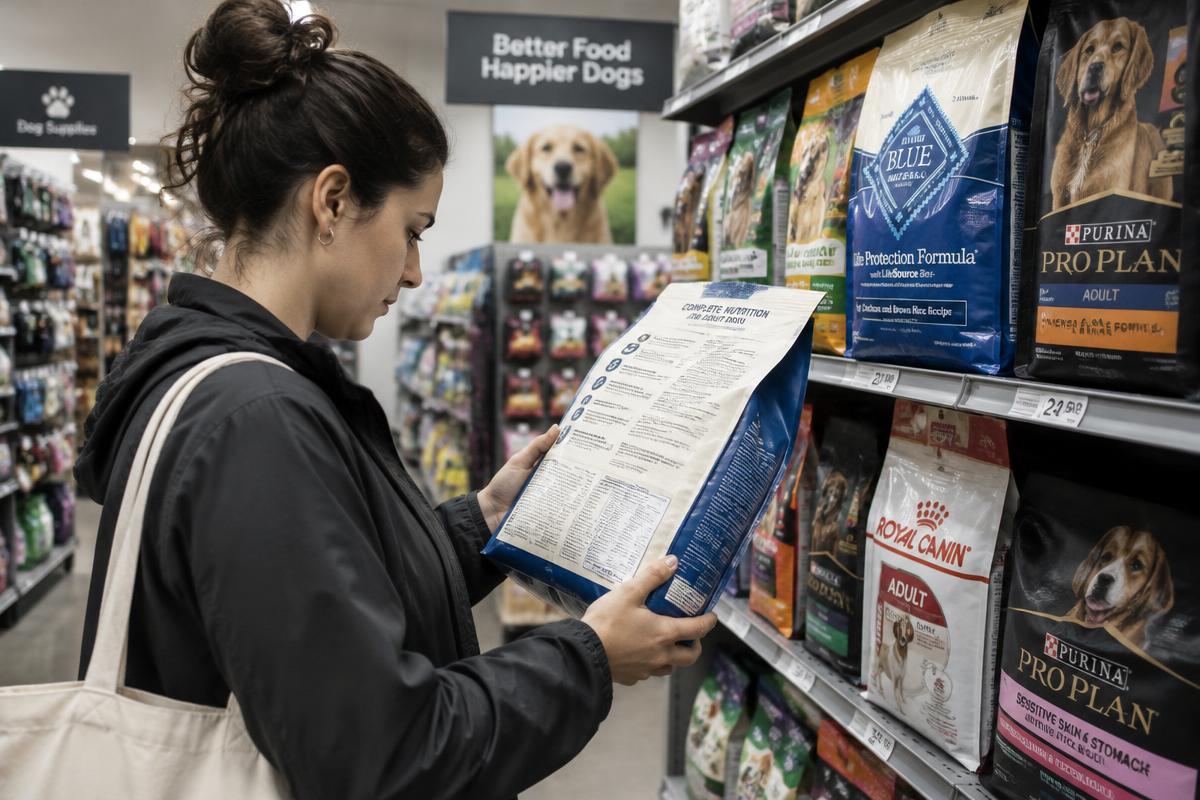
Dog food packaging is full of appealing words — 'natural', 'premium', 'holistic' — that have little or no regulatory meaning. A few parts of the label tell you far more.
The nutritional adequacy statement
In the U.S., look for a statement that the food is 'complete and balanced' for a specific life stage according to AAFCO nutrient profiles or feeding trials. Puppy foods should state they meet needs for growth, and large-breed puppies need a food suitable for large-size dogs.
Ingredients and guaranteed analysis
Ingredients are listed by weight before cooking, so moisture-rich meats can appear first even if they contribute less after processing. The guaranteed analysis shows minimum protein and fat and maximum fiber and moisture, but not quality.
Questions worth asking the manufacturer
WSAVA suggests asking pet food companies:
- Do you employ a qualified nutritionist (PhD or board-certified)?
- Who formulates your diets?
- What quality-control measures do you use?
- Can you provide calorie content per cup or can?
Frequently asked questions
Is grain-free food better?
Not for most dogs. The FDA investigated a possible link between some grain-free diets and heart disease (DCM). Unless your vet recommends it, there is no proven benefit.
Is raw food healthier?
Raw diets carry a risk of bacteria such as Salmonella for dogs and people at home. Major veterinary organizations advise caution.
Key takeaways
- Look for a 'complete and balanced' statement for your dog's life stage.
- Marketing terms aren't a measure of quality.
- Switch foods gradually over 7–10 days.
This guide is for general information and doesn't replace advice from your veterinarian. If your dog seems unwell, contact your vet. Read our disclaimer.
Sources
Pawly Editorial Team
Pet care writers & editors
Pawly's articles are written and edited by our editorial team of experienced dog owners and pet-care writers. Every guide is built from published veterinary guidance — from organizations such as the AVMA, AAHA, WSAVA and the ASPCA — and is reviewed for accuracy before publishing and regularly after.
More from our writers →