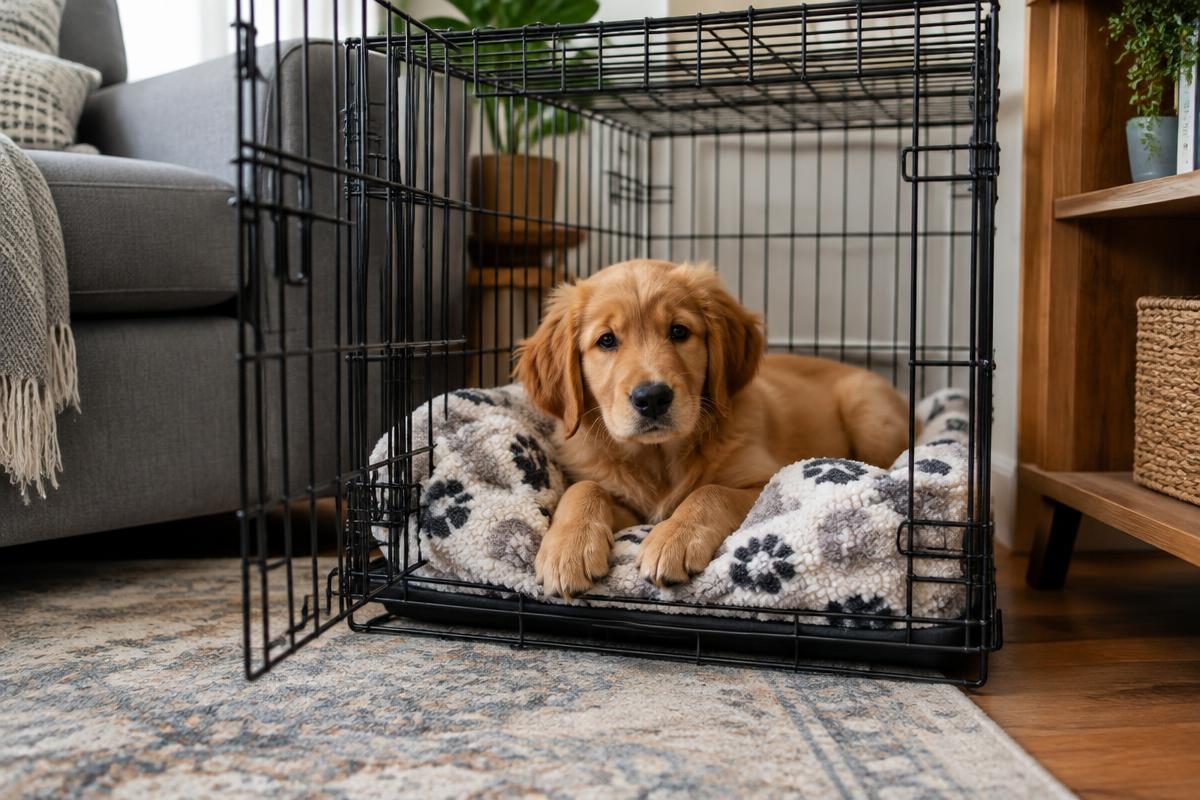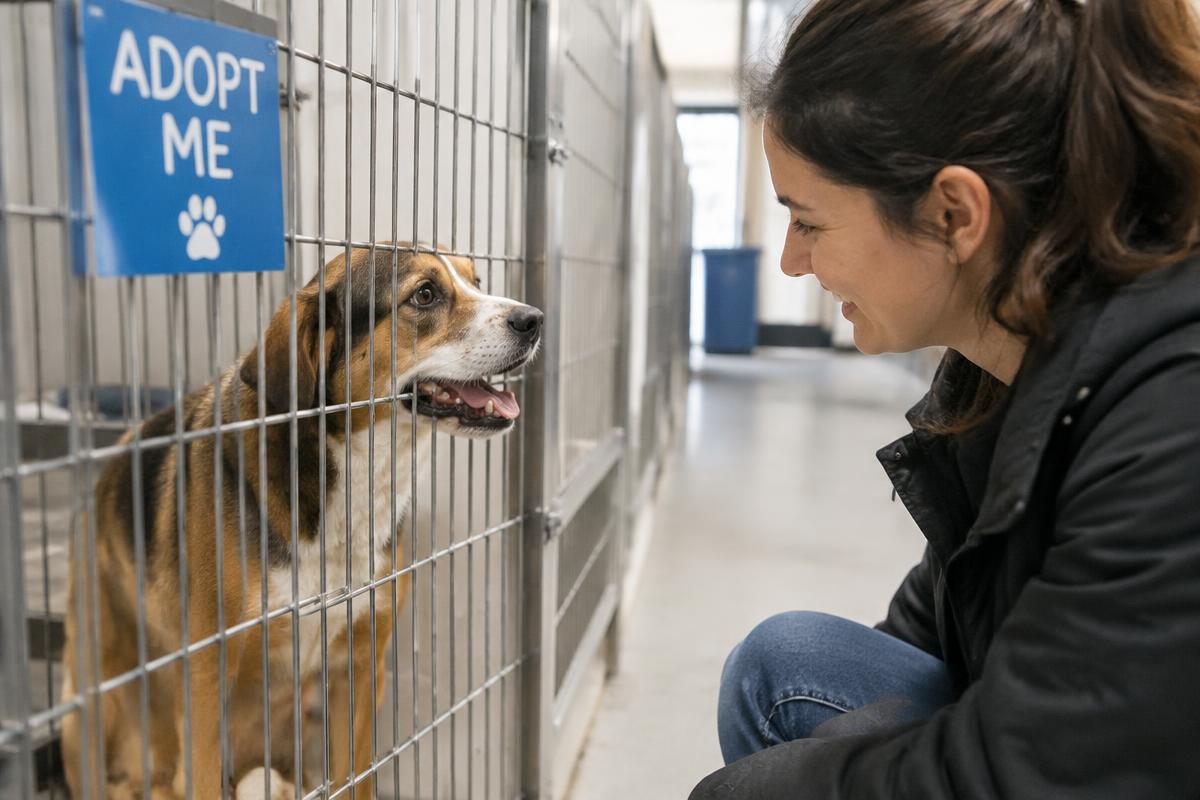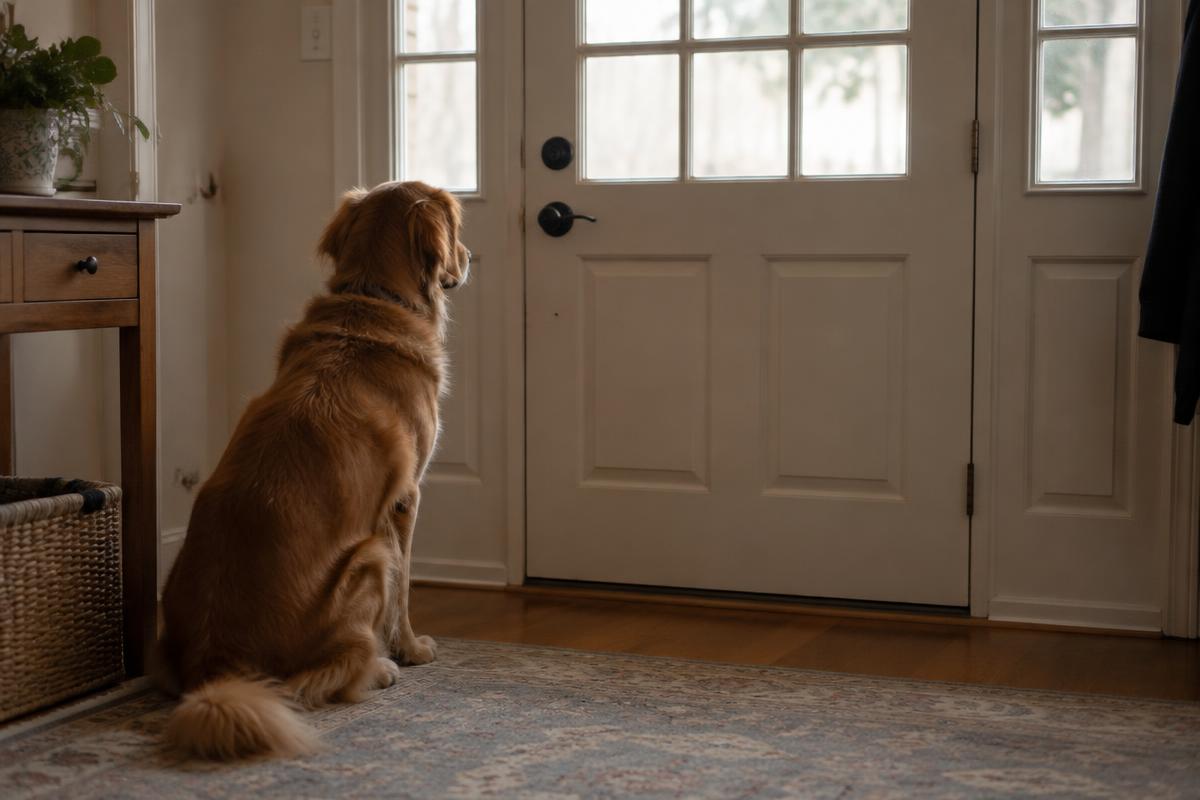
Separation anxiety is a panic response to being left alone — not spite or bad manners. Dogs can't help it, and they need gradual support to feel safe.
Common signs
- Howling, barking or whining soon after you leave
- Destruction focused on doors and windows
- Accidents in an otherwise house-trained dog
- Pacing, drooling or panting when you prepare to go
Gradual desensitization
Start with absences so short your dog doesn't react — even a few seconds. Increase slowly, staying below their panic threshold. A camera helps you see how your dog is really coping.
When to get professional help
Moderate to severe cases often improve faster with a veterinarian or veterinary behaviorist, who may suggest medication alongside training.
Frequently asked questions
Will getting a second dog help?
Sometimes, but many dogs with separation anxiety are attached to people specifically. Address the anxiety first.
Key takeaways
- Separation anxiety is panic, not disobedience.
- Train with very short absences first.
- Severe cases benefit from veterinary help.
This guide is for general information and doesn't replace advice from your veterinarian. If your dog seems unwell, contact your vet. Read our disclaimer.
Sources
Pawly Editorial Team
Pet care writers & editors
Pawly's articles are written and edited by our editorial team of experienced dog owners and pet-care writers. Every guide is built from published veterinary guidance — from organizations such as the AVMA, AAHA, WSAVA and the ASPCA — and is reviewed for accuracy before publishing and regularly after.
More from our writers →