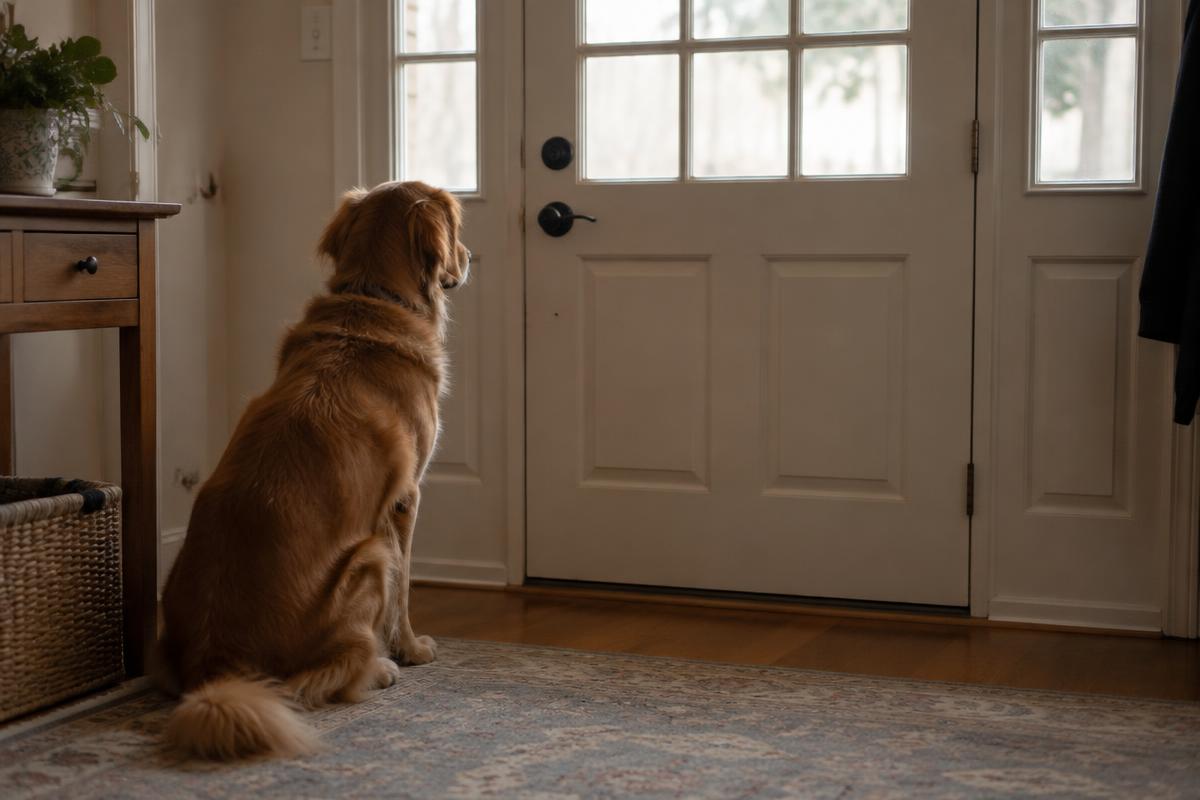
Adopting gives a dog a second chance. Knowing that adjustment takes time helps you set realistic expectations — for you and your new companion.
The 3-3-3 guideline
Many rescues describe adjustment as roughly 3 days to decompress, 3 weeks to learn the routine, and 3 months to feel truly at home. Every dog is different, but it's a helpful frame.
Before your dog comes home
- Ask the shelter about known habits, food and history
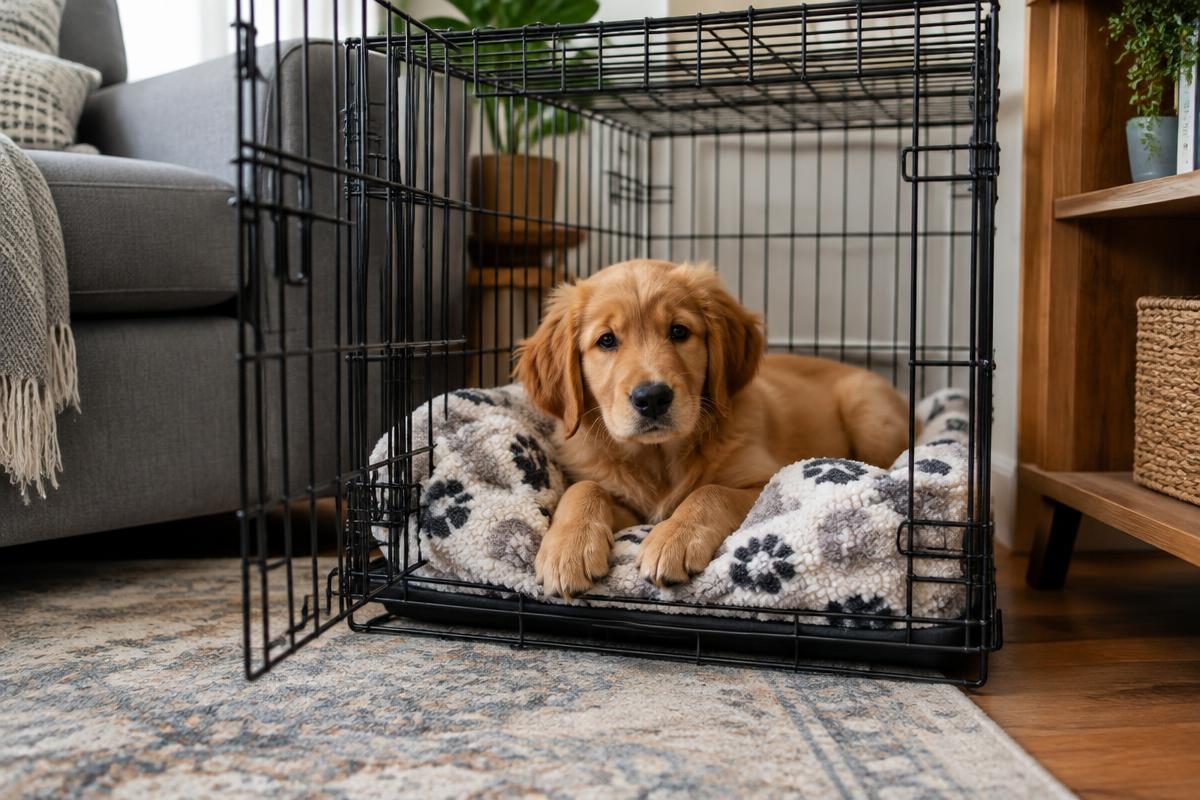
- Set up a quiet space with a bed or crate
- Book a vet check-up
- Agree household rules in advance
The first weeks
Keep life quiet and predictable. Short walks, regular meals and plenty of rest work better than lots of outings. Introduce other pets slowly and under supervision.
Is adoption right for you right now?
Adopting a dog is a commitment that can last ten to fifteen years or more. Before visiting a shelter, think honestly about your daily schedule, your housing, your budget and the people you live with. A dog needs daily exercise, company, training and veterinary care, and those needs don't pause for busy weeks at work or holidays.
Check your lease or housing rules for restrictions on size or breed, and talk to every member of your household. Allergies, other pets and young children all affect which dog will fit best. Shelters appreciate adopters who arrive with this information because it lets staff suggest a good match instead of relying on looks alone.
Shelters, rescues and what to expect
Municipal shelters, private shelters and foster-based rescues all place dogs, but their processes differ. Shelters usually house dogs on site and may allow same-day adoption. Rescues often keep dogs in volunteer foster homes, which means they can tell you a lot about how the dog behaves around the house, with children or with other pets.
Expect an application, a conversation with staff or volunteers, and sometimes a home check or a meet-and-greet with your current dog. These steps are not meant to be barriers; they exist to reduce the number of dogs returned because of a poor match.
Adoption fees vary widely by region and organisation. They typically help cover vaccinations, deworming, microchipping and spay or neuter surgery, which would cost considerably more if paid separately at a clinic.
Questions to ask the shelter
Staff and fosters know the dogs far better than a short visit can reveal. Useful questions include:
- How did the dog arrive, and is anything known about its previous home?
- How does the dog behave with other dogs, cats and children?
- Has the dog been seen by a veterinarian, and are there any ongoing health needs?
- Is the dog house-trained or crate-trained?
- How does the dog react to handling, grooming and being left alone?
- What kind of home and activity level do you think suits this dog?
- What support do you offer after adoption, and what is your return policy?
Meeting a dog for the first time
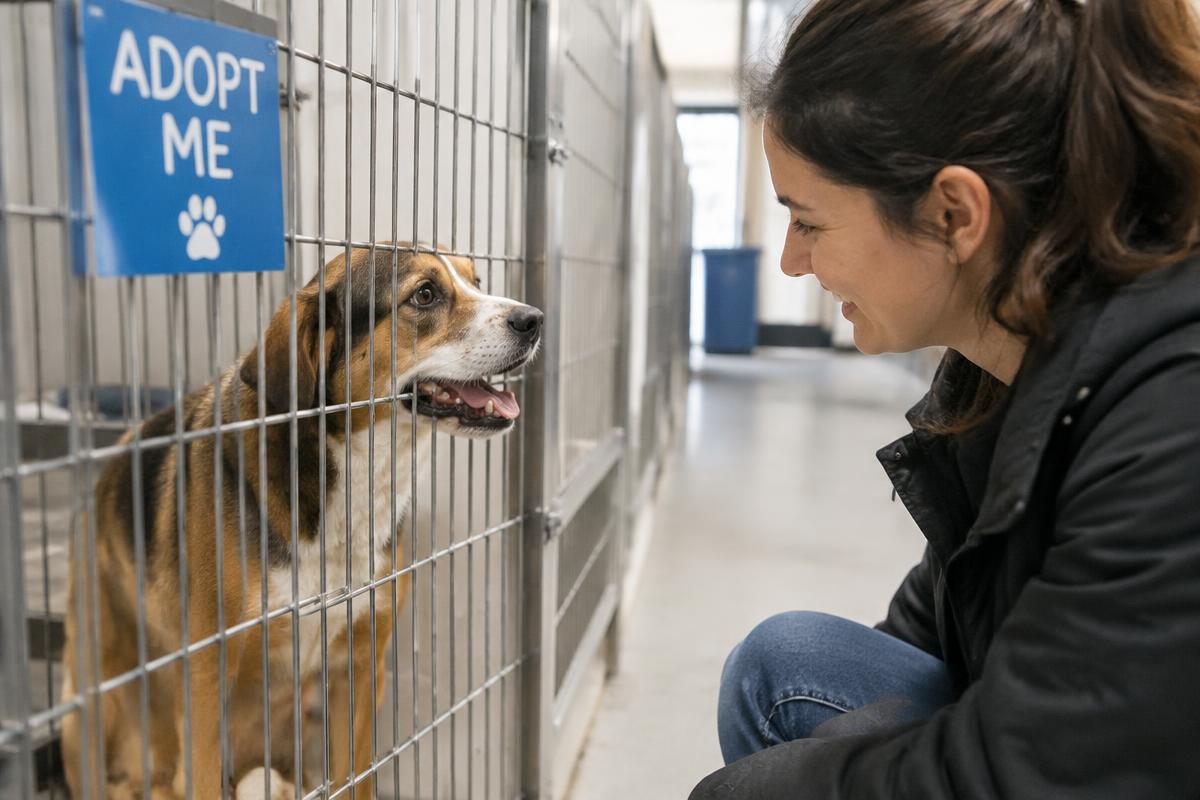
Shelters are loud and stressful, so many dogs behave differently there than they will at home. A dog that seems shy in a kennel may relax quickly in a quiet room, while a dog that seems calm might simply be overwhelmed. Ask to spend time with the dog away from the kennels, ideally on a short walk.
Let the dog approach you. Crouch side-on, avoid staring and let it sniff your hand before you reach to pet it. Watch for loose, wiggly body language, soft eyes and relaxed ears. Stiffness, lip-licking, yawning or turning away are signs of stress and suggest you should slow down.
If you already have a dog, most organisations will arrange an introduction on neutral ground. Keep both dogs on loose leashes, walk them in parallel first, and keep the first meeting short.
Shopping list for the first day
Having the basics ready means you can focus on your new dog instead of running errands.
- A well-fitting flat collar or harness with an ID tag showing your phone number
- A standard leash of about 1.5–2 metres
- The same food the shelter has been using, to avoid sudden diet changes
- Food and water bowls
- A crate or a gated quiet area, plus a comfortable bed
- A few safe chew toys and a puzzle feeder
- Poop bags and an enzymatic cleaner for accidents
- Contact details for a local veterinarian
Decompression and building trust
Many adopters expect a grateful, instantly bonded dog, and are surprised when their new companion is withdrawn, restless or clingy. This is normal. Moving home is a big change, and dogs need time to learn new routines, smells and people.
For the first few weeks keep life quiet and predictable. Limit visitors, skip busy places such as dog parks and markets, and stick to short, calm walks at the same times each day. Feed in a quiet spot and give the dog a safe retreat where nobody disturbs it.
Build trust through small, positive experiences: hand-feeding part of a meal, gentle play, and simple reward-based training such as sit or name recognition. Avoid forcing interactions; let the dog choose to come to you.
Your first vet visit
Book a check-up within the first week or two, even if the shelter has already examined the dog. Bring all the paperwork you received, including vaccination and deworming records. This visit establishes a baseline for your dog's health and lets you register the microchip with your contact details.
Ask your vet about parasite prevention suited to your area, a feeding plan for your dog's weight and age, and any follow-up needed for conditions noted by the shelter. If the dog shows signs of illness such as coughing, diarrhoea or loss of appetite in the first days, call your vet sooner — stress can bring out kennel infections.
Common challenges after adoption
Some issues appear only once the dog settles in. House-training lapses, leash pulling, fear of new things and mild separation distress are among the most common. Most respond well to patient, reward-based training and a consistent routine.
If you see growling, snapping, intense fear or severe distress when left alone, contact the shelter and consider a certified positive-reinforcement trainer or a veterinary behaviourist. Early help prevents problems from becoming entrenched and protects both you and the dog.
Frequently asked questions
Should I change my dog's name?
You can. Pair the new name with treats and dogs usually learn it within days.
Are shelter dogs harder to train?
Not generally. Most shelter dogs learn well with reward-based training. Some need extra patience at first because of past experiences or stress.
Should I adopt a puppy or an adult dog?
Adult dogs often have known personalities and may already be house-trained, which suits many first-time owners. Puppies need far more time and training.
What if the adoption doesn't work out?
Contact the shelter or rescue first. Most have return policies and can offer advice or help rehome the dog safely.
Key takeaways
- Adjustment can take around three months.
- Start with a quiet, predictable routine.
- Ask the shelter for everything they know.
- Ask staff and fosters detailed questions — they know the dog best.
- Expect a decompression period of several weeks; keep life quiet.
- Book a vet check and update the microchip in the first week or two.
- Seek a qualified trainer early if fear or aggression appears.
This guide is for general information and doesn't replace advice from your veterinarian. If your dog seems unwell, contact your vet. Read our disclaimer.
Sources
Pawly Editorial Team
Pet care writers & editors
Pawly's articles are written and edited by our editorial team of experienced dog owners and pet-care writers. Every guide is built from published veterinary guidance — from organizations such as the AVMA, AAHA, WSAVA and the ASPCA — and is reviewed for accuracy before publishing and regularly after.
More from our writers →