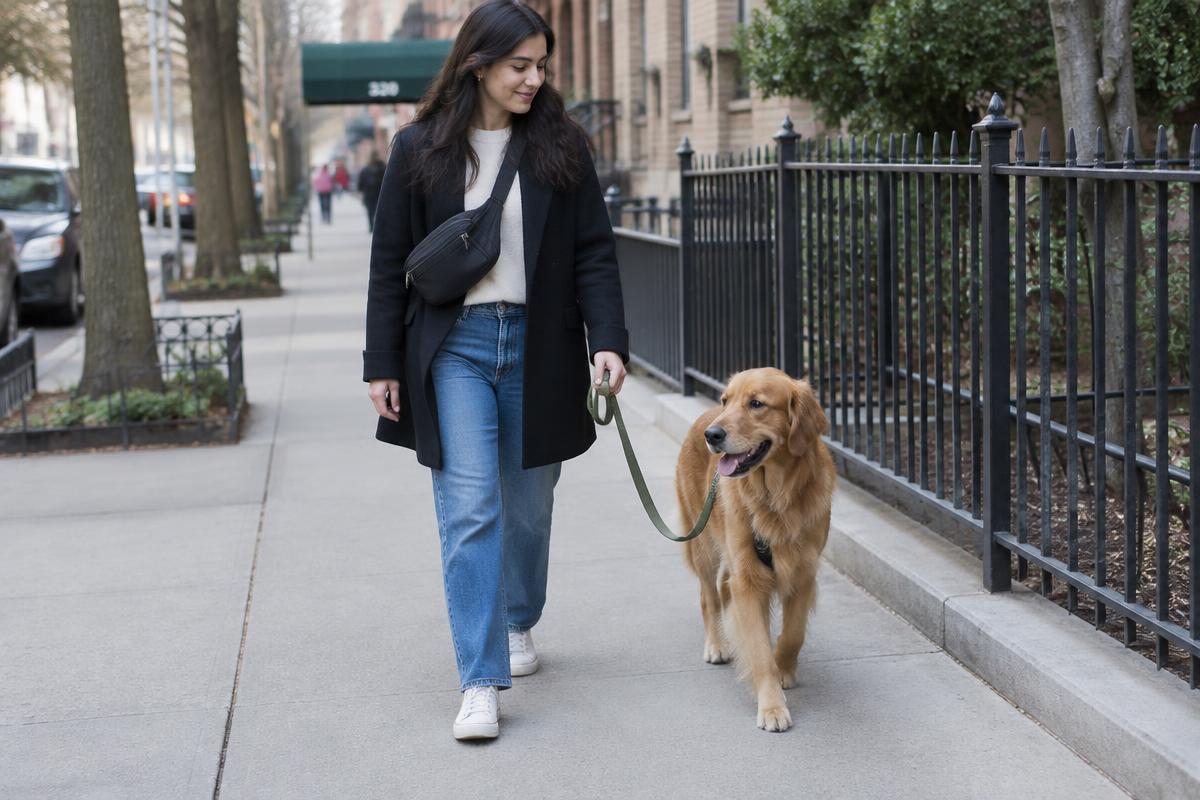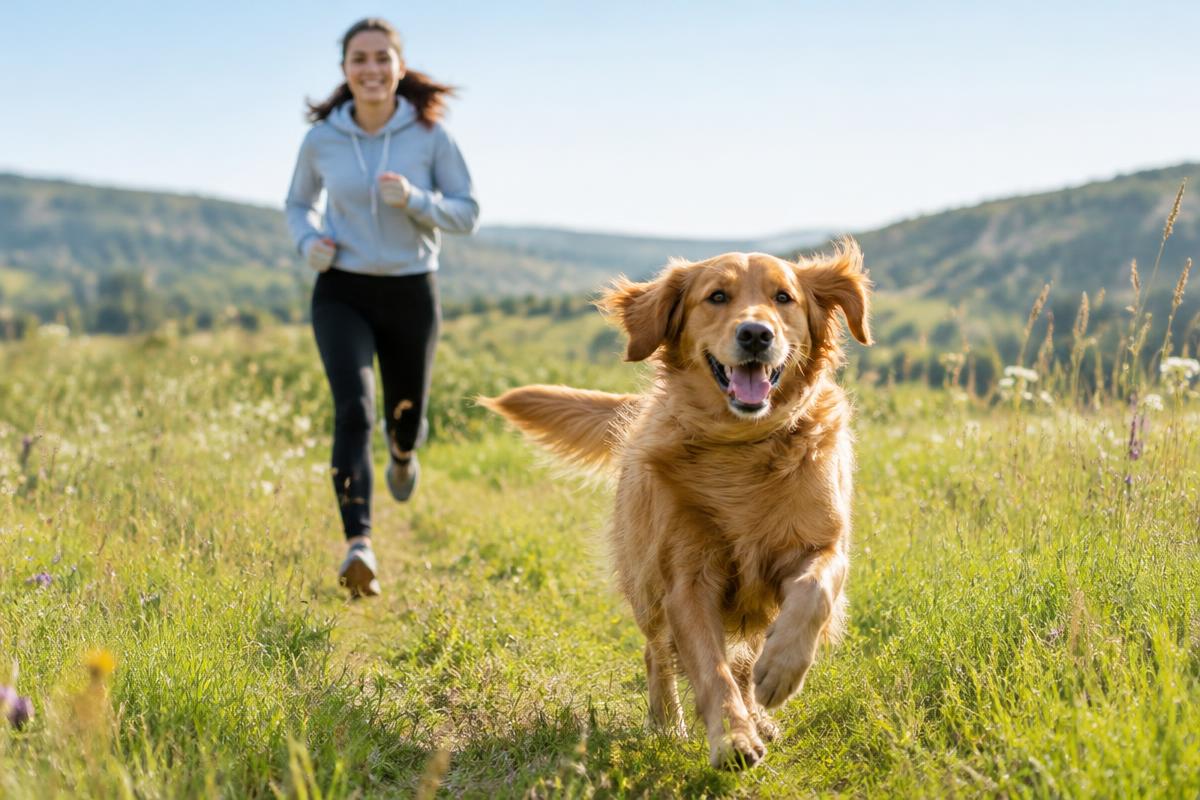
Exercise keeps dogs fit, prevents weight gain and reduces boredom-driven behavior. But the right amount varies a lot from dog to dog.
General ranges
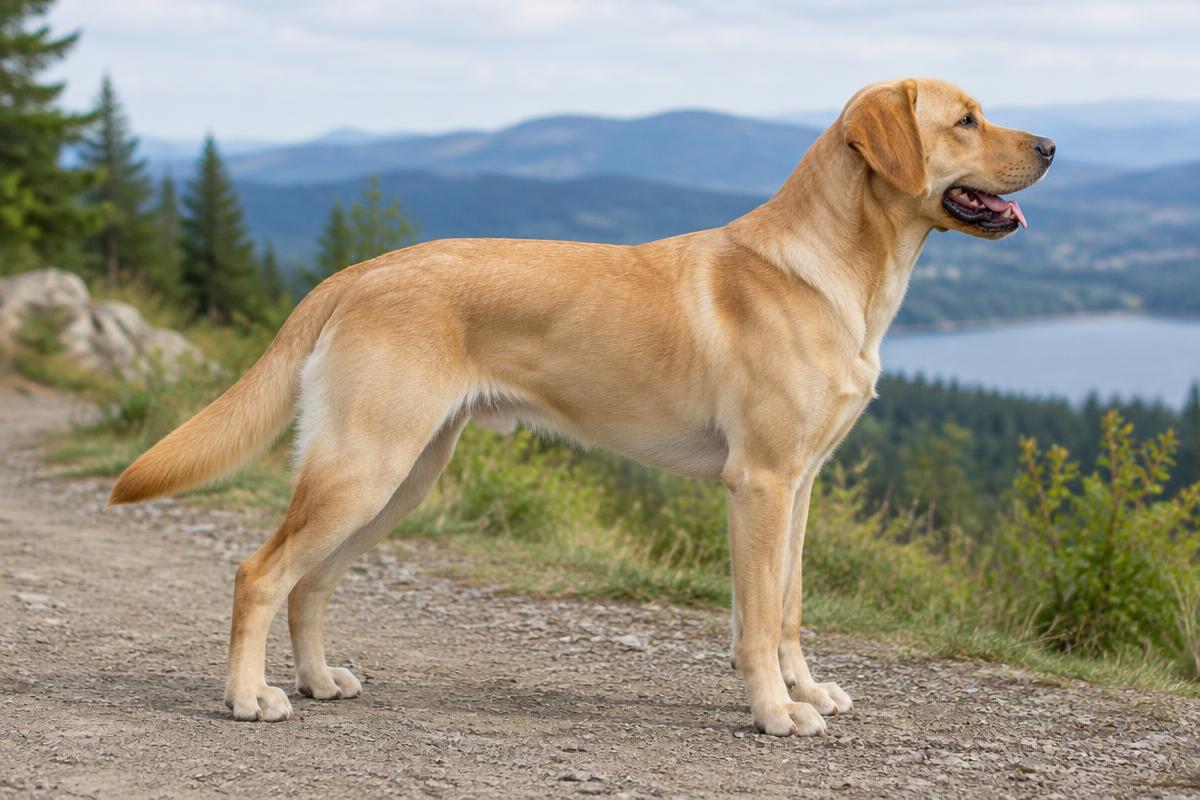
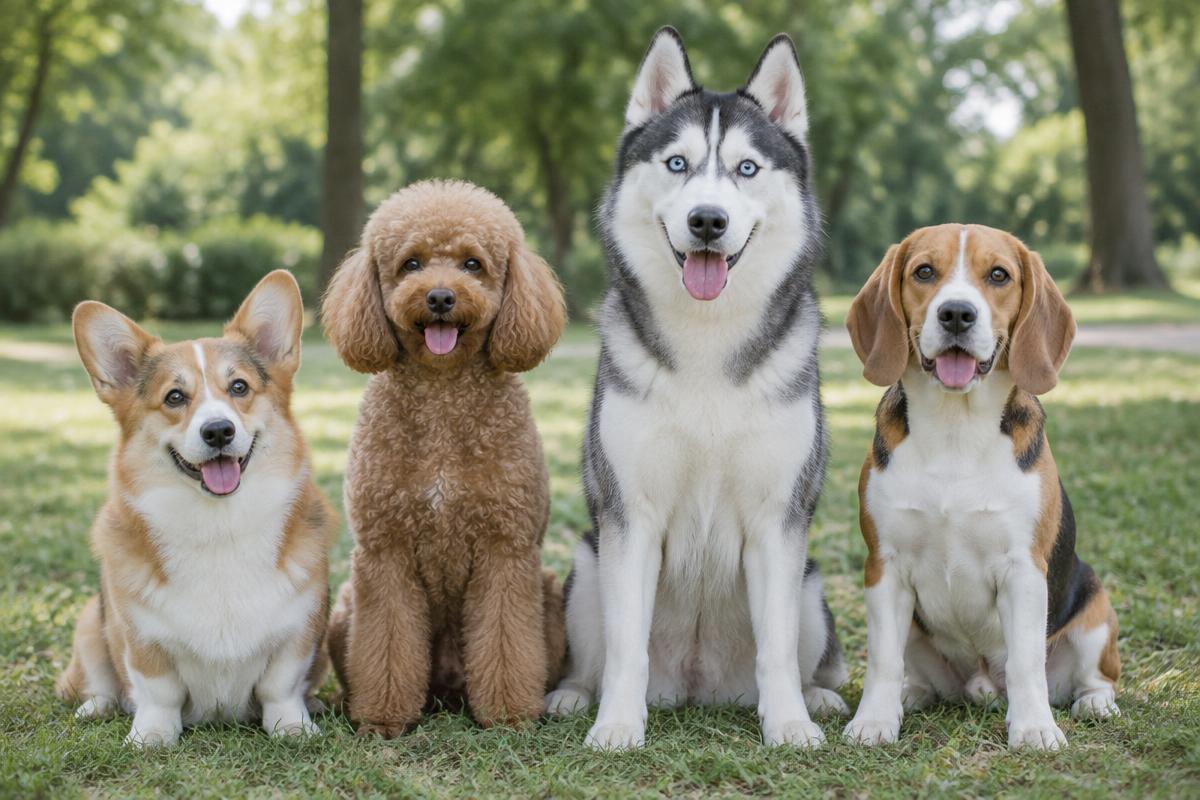
- High-energy working and sporting breeds: often 1–2 hours of activity a day
- Most medium-energy dogs: around 30–60 minutes
- Many toy and flat-faced breeds: shorter, gentler sessions, avoiding heat
- Seniors: shorter, more frequent walks
Puppies
Puppies benefit from short play sessions with lots of rest, on soft surfaces. Avoid long runs and repetitive high-impact exercise until your vet confirms growth plates have matured, especially for large breeds.
Don't forget the brain
Sniffing, puzzle feeders and short training sessions tire dogs out in a way a fast walk alone doesn't. Ten minutes of nose work can be surprisingly satisfying for a dog.
Heat safety
Walk in the cooler parts of the day, carry water, and test pavement with the back of your hand — if it's too hot for you to hold for a few seconds, it's too hot for paws. Flat-faced breeds are at higher risk of heatstroke.
Frequently asked questions
Is a backyard enough exercise?
Usually not on its own. Most dogs need walks and interaction for both exercise and mental stimulation.
Key takeaways
- Needs vary by breed, age and health.
- Mix physical and mental exercise.
- Protect puppies and flat-faced breeds from overexertion and heat.
This guide is for general information and doesn't replace advice from your veterinarian. If your dog seems unwell, contact your vet. Read our disclaimer.
Sources
Pawly Editorial Team
Pet care writers & editors
Pawly's articles are written and edited by our editorial team of experienced dog owners and pet-care writers. Every guide is built from published veterinary guidance — from organizations such as the AVMA, AAHA, WSAVA and the ASPCA — and is reviewed for accuracy before publishing and regularly after.
More from our writers →