Allergies are one of the most common reasons dogs visit the vet. An allergic dog scratches, licks its paws, rubs its face on the carpet and often develops ear or skin infections that keep coming back.
The good news is that allergies, while rarely cured, can almost always be controlled. This guide explains the three main types, how they are diagnosed, and the treatments your vet is likely to discuss.
The three main types of allergy
Most itchy dogs fall into one or more of these groups. Many allergic dogs have more than one at the same time, which is why a step-by-step approach matters.
- Flea allergy dermatitis – a reaction to flea saliva; a single bite can trigger days of itching, usually over the lower back and tail base.
- Environmental allergy (atopic dermatitis) – a reaction to pollen, dust mites or moulds, often starting between 6 months and 3 years of age.
- Food allergy – a reaction to a protein in the diet, most often beef, dairy, chicken or wheat; it causes itching all year round.
Common signs to watch for
Itching is the hallmark sign, but it doesn't always look like scratching. Watch for licking, chewing, rubbing and changes to the skin.
- Licking or chewing the paws, often with rust-coloured saliva staining
- Red skin on the belly, armpits or between the toes
- Repeated ear infections, head shaking and a yeasty smell
- Hair loss, scabs or thickened dark skin
- Scooting or licking around the rear end
How your vet finds the cause
Vets diagnose allergies by ruling things out. First, they check for fleas, mites and skin infections, because these are common and treatable. Infections are cleared with medicated shampoos or medicines before going further.
Food allergy is confirmed with a strict elimination diet: a hydrolysed or novel-protein food fed for 8 weeks with no other treats or flavoured medicines. If the itching improves and returns when the old food is reintroduced, food is the cause.
Environmental allergy is diagnosed once the others are ruled out. A veterinary dermatologist may then use intradermal skin testing or blood testing to choose allergens for immunotherapy.
Treatment options
Treatment usually combines several tools. Your vet will tailor the plan to how severe the itch is and how often it flares.
- Year-round flea prevention for every pet in the household
- Modern anti-itch medicines such as oclacitinib or lokivetmab injections
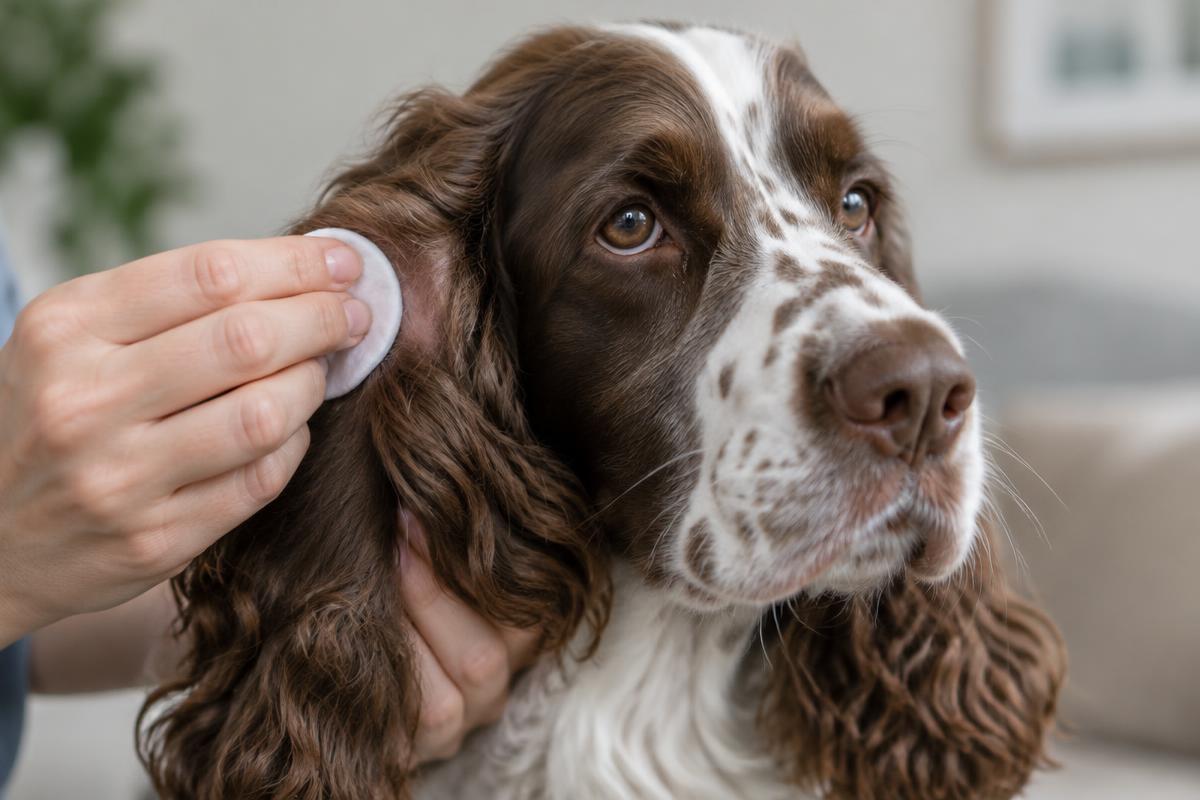
- Medicated shampoos and ear cleaners to keep skin and ears healthy
- Omega-3 fatty acids to support the skin barrier
- Allergen immunotherapy ('allergy shots' or oral drops) for long-term control
Everyday management at home
Wipe paws and belly with a damp cloth after walks during pollen season. Wash bedding weekly in hot water, vacuum often, and keep your dog out of freshly mown grass if it makes them worse.
Keep a simple diary of flares, food, and season. Patterns you notice help your vet adjust treatment far faster than memory alone.
Frequently asked questions
Can dogs be allergic to grain?
True grain allergies are uncommon. Animal proteins like beef, dairy and chicken are far more frequent triggers.
Are human antihistamines safe for dogs?
Some are, at specific doses, but many contain decongestants that are toxic to dogs. Always ask your vet before giving any human medicine.
Do allergy tests on hair or saliva work?
No. Hair and saliva tests sold online are not considered reliable by veterinary dermatologists.
Key takeaways
- Flea, environmental and food allergies are the three main causes.
- Diagnosis means ruling out parasites and infections first.
- A strict 8-week elimination diet is the only reliable food allergy test.
- Most allergic dogs need lifelong management, not a one-off cure.
This guide is for general information and doesn't replace advice from your veterinarian. If your dog seems unwell, contact your vet. Read our disclaimer.
Sources
- American College of Veterinary Dermatology
- American Veterinary Medical Association (AVMA)
- Companion Animal Parasite Council (CAPC)
Pawly Editorial Team
Pet care writers & editors
Pawly's articles are written and edited by our editorial team of experienced dog owners and pet-care writers. Every guide is built from published veterinary guidance — from organizations such as the AVMA, AAHA, WSAVA and the ASPCA — and is reviewed for accuracy before publishing and regularly after.
More from our writers →