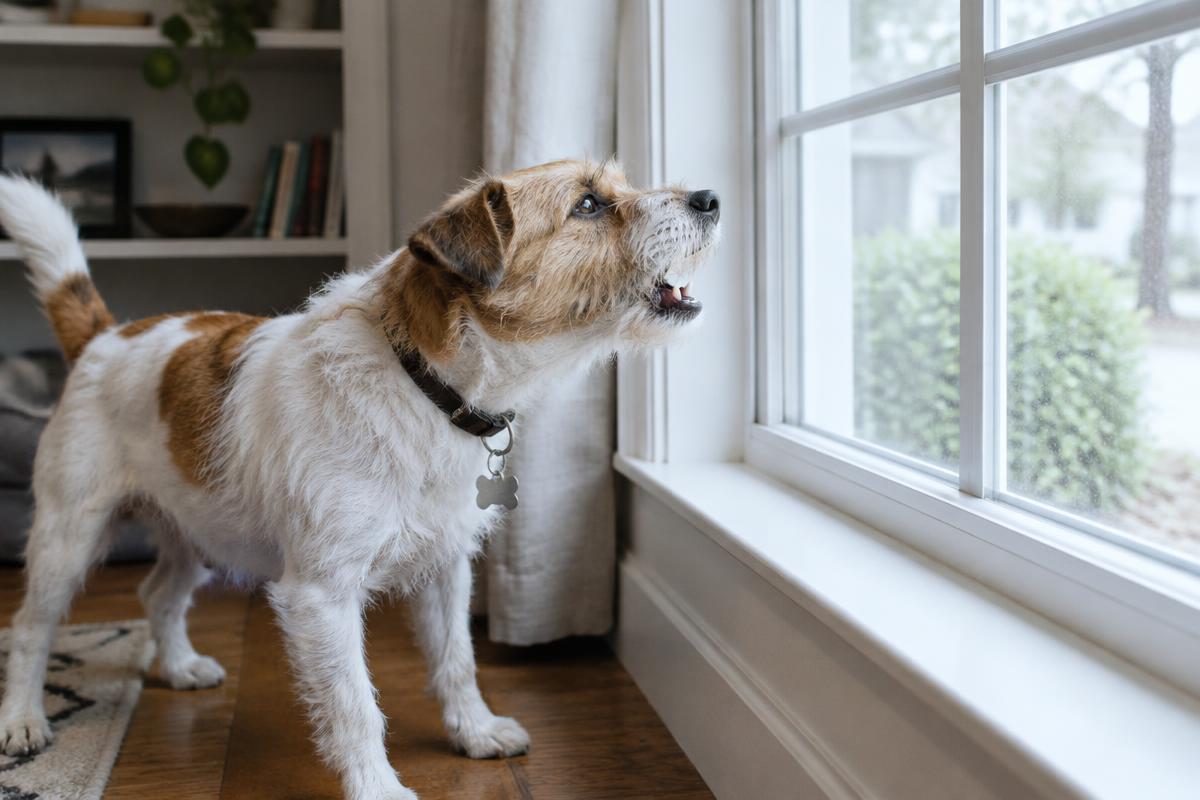
Living in an apartment doesn't mean you can't have a dog. Energy level, noise and temperament matter far more than size alone.
Here are breeds that often do well in smaller spaces, along with practical tips for making apartment life work.
What makes a good apartment dog
- Moderate or low energy needs
- Low tendency to bark
- Adapts well to being alone for short periods
- Comfortable with stairs, lifts and neighbours
Breeds that often thrive
- Cavalier King Charles Spaniel – gentle and affectionate
- French Bulldog – quiet and low-energy (watch for breathing issues in heat)
- Greyhound – surprisingly calm 'couch potatoes' indoors
- Bichon Frise – cheerful and low-shedding
- Shih Tzu – adaptable companion dog
- Boston Terrier – friendly and compact
Breeds that may struggle
High-energy working breeds such as border collies, huskies and Belgian malinois usually need lots of space, exercise and mental work. They can become frustrated or noisy in small homes.
Tips for apartment dogs
Plan for regular toilet trips, use puzzle feeders for mental exercise, and find a nearby park for sniffing walks. Train calm behaviour in hallways and lifts early on.
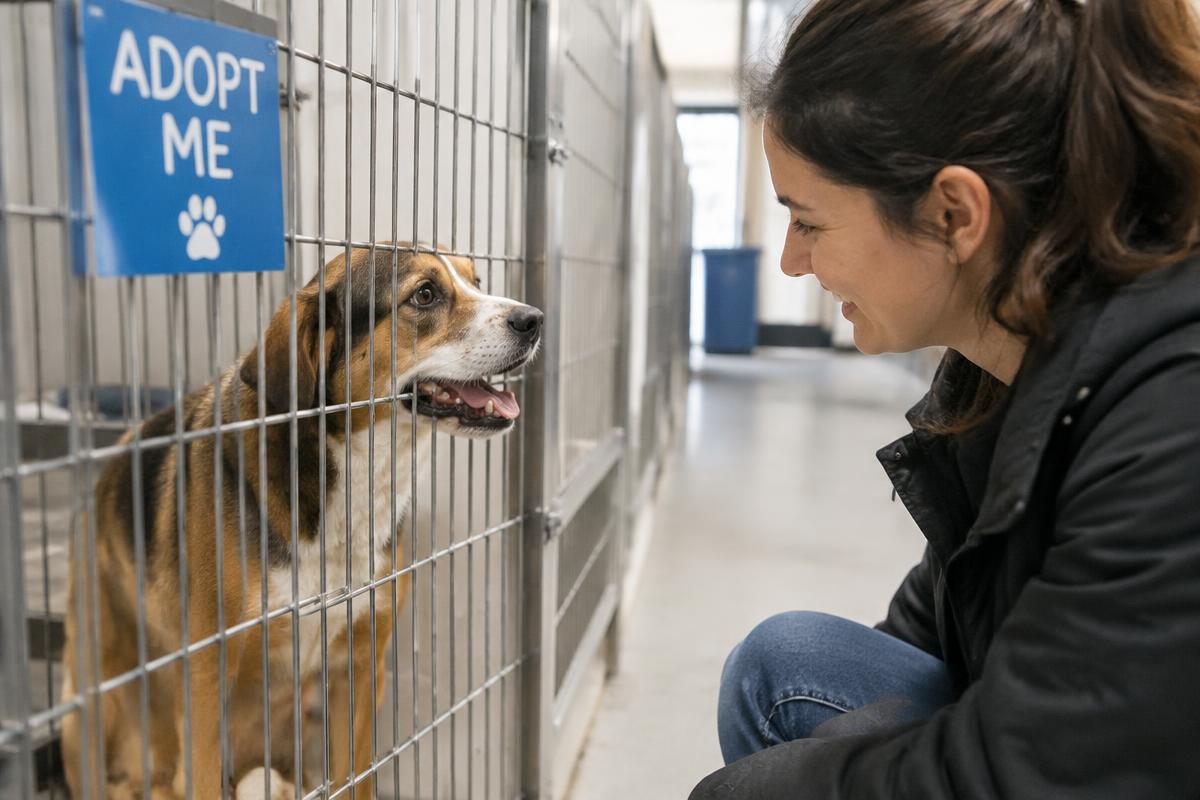
Consider adoption
Adult shelter dogs often come with a known temperament, making it easier to find a calm, apartment-friendly match.
Frequently asked questions
Can large dogs live in apartments?
Yes. Calm large breeds like greyhounds often adapt better than energetic small breeds.
How do I stop my apartment dog barking?
Meet their exercise needs and reduce triggers. Read our guide on reducing excessive barking.
Key takeaways
- Energy and noise matter more than size.
- Many small and some large breeds suit apartments.
- Daily exercise and enrichment are essential.
- Adult rescue dogs can be ideal matches.
This guide is for general information and doesn't replace advice from your veterinarian. If your dog seems unwell, contact your vet. Read our disclaimer.
Sources
Pawly Editorial Team
Pet care writers & editors
Pawly's articles are written and edited by our editorial team of experienced dog owners and pet-care writers. Every guide is built from published veterinary guidance — from organizations such as the AVMA, AAHA, WSAVA and the ASPCA — and is reviewed for accuracy before publishing and regularly after.
More from our writers →